Affiliate disclosure: As an Amazon Associate, this site earns from qualifying purchases linked in this article.
Perimenopause can bring about various changes in a woman’s body, including shifts in metabolism and challenges with weight management. Many women seek ways to support their well-being during this transition. This article explores the current understanding of curcumin‘s potential role in these areas.
Curcumin, a compound found in turmeric, has been the subject of research for its diverse biological activities. We will carefully examine the evidence regarding its possible influence on metabolic health and weight-related factors, specifically considering the context of perimenopause.
Understanding Metabolic Changes in Perimenopause
During perimenopause, hormonal fluctuations can impact how the body processes energy and stores fat. These changes may contribute to a tendency for weight gain, particularly around the midsection. Maintaining metabolic balance becomes increasingly important during this phase.
Metabolic health encompasses various factors, including blood sugar regulation, lipid profiles, and body composition. Supporting these aspects can be a proactive approach to navigating the metabolic shifts associated with perimenopause.

Curcumin’s Potential Role in Metabolic Health
Research suggests that curcumin may influence several pathways relevant to metabolic health. A systematic review and meta-analysis of randomized controlled trials indicated that curcumin supplementation might offer metabolic benefits in individuals with metabolic syndrome [1].
Further studies highlight curcumin’s potential involvement in metabolic processes. It has been reviewed for its effects on human health, including aspects related to metabolism [2]. Another review discussed curcumin’s role in metabolic health and disease more broadly [3]. These findings suggest a multifaceted influence on metabolic parameters.
Emerging research also points to curcumin’s potential protective effects on components of metabolic syndrome, possibly through interactions with the microbiota [4]. Additionally, curcumin and its analogues have been explored for protective effects via the Nrf2 pathway in metabolic syndrome [5]. These mechanisms may contribute to its observed metabolic support.

Curcumin and Weight-Related Factors
While direct evidence for curcumin as a ‘weight loss’ supplement is still developing, some studies have explored its impact on weight-related parameters. A clinical trial involving women with rheumatoid arthritis observed that curcumin supplementation influenced obesity values, among other metabolic and inflammatory factors [6]. This suggests a potential indirect influence on body composition.
It’s important to note that weight management is complex and involves multiple factors beyond any single supplement. While some research points to curcumin’s potential to influence metabolic markers, it is generally considered a supportive compound rather than a primary solution for weight reduction. The overall body of evidence on curcumin’s direct impact on weight loss in perimenopausal women is still moderate and requires further investigation.
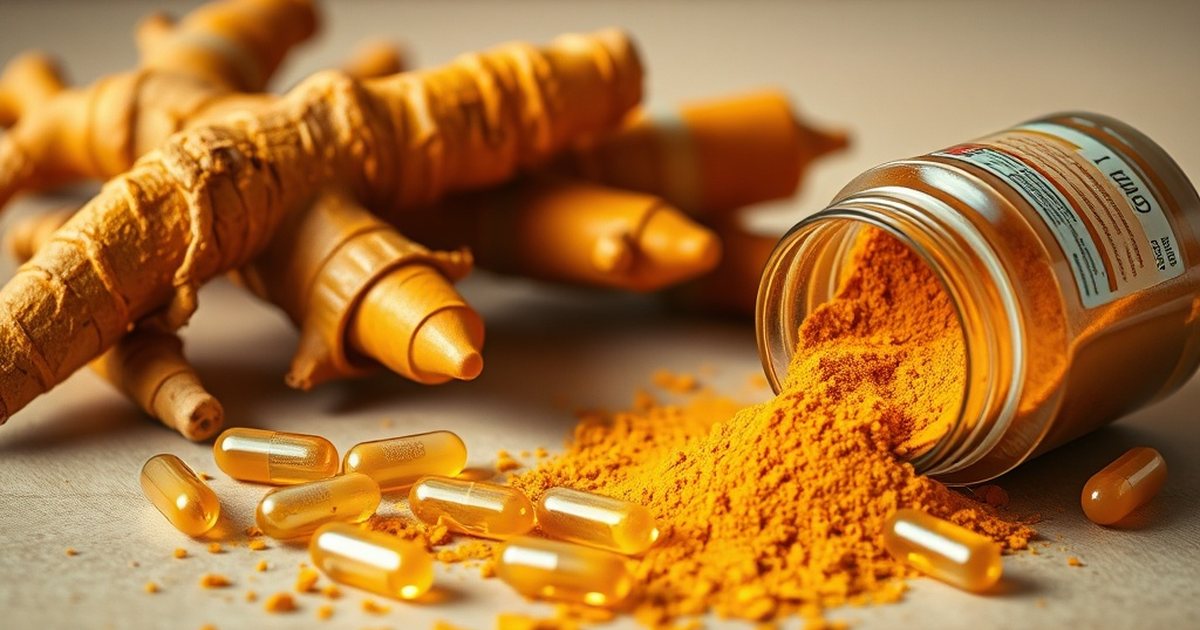
Some studies have also explored curcumin’s effects on gastrointestinal symptoms. For instance, a pilot study found that curcumin supplementation improved gastrointestinal symptoms in women with severe obesity [7]. While not directly about weight loss, improved digestive comfort can be a beneficial aspect of overall well-being during perimenopause.
Considering Curcumin Formulations and Absorption
Curcumin itself can have low bioavailability, meaning it is not easily absorbed by the body. Many curcumin supplements are formulated to enhance absorption. One common approach involves co-supplementation with piperine, a compound found in black pepper. A comprehensive review of preclinical and clinical studies explored the effects of curcumin-piperine co-supplementation on human health [8].

When considering curcumin for metabolic support, it’s important to be aware of the different formulations available and to choose products that aim to optimize absorption. This can help ensure that the body can utilize the curcumin effectively.
Curcumin and Related Conditions
While perimenopause is distinct, some related conditions, such as Polycystic Ovary Syndrome (PCOS), share metabolic challenges. Nutritional and herbal interventions for PCOS, including curcumin, have been reviewed for their potential role in management [9]. Another review also discussed dietary supplements for PCOS [10]. While these findings are not directly about perimenopause, they highlight curcumin’s broader metabolic considerations in women’s health.
References
- Metabolic benefits of curcumin supplementation in patients with metabolic syndrome: A systematic review and meta-analysis of randomized controlled trials. Phytotherapy research : PTR, 2019
- Curcumin: A Review of Its Effects on Human Health. Foods (Basel, Switzerland), 2017
- Curcumin in Metabolic Health and Disease. Nutrients, 2021
- Protective Effect of Curcumin on Metabolic Syndrome Components through the Microbiota. Current medicinal chemistry, 2025
- Protective Effects of Curcumin and its Analogues via the Nrf2 Pathway in Metabolic Syndrome. Current medicinal chemistry, 2024
- Effects of curcumin supplementation on metabolic parameters, inflammatory factors and obesity values in women with rheumatoid arthritis: A randomized, double-blind, placebo-controlled clinical trial. Phytotherapy research : PTR, 2022
- Curcumin Supplementation Improves Gastrointestinal Symptoms in Women with Severe Obesity: A Double-Blind, Randomized, Placebo-Controlled Trial-A Pilot Study. Nutrients, 2025
- Curcumin-piperine co-supplementation and human health: A comprehensive review of preclinical and clinical studies. Phytotherapy research : PTR, 2023
- Nutritional and herbal interventions for polycystic ovary syndrome (PCOS): a comprehensive review of dietary approaches, macronutrient impact, and herbal medicine in management. Journal of health, population, and nutrition, 2025
- Dietary supplements for polycystic ovary syndrome. Journal of preventive medicine and hygiene, 2022
These statements have not been evaluated by the Food and Drug Administration. This information is not intended to diagnose, treat, cure, or prevent any disease. Content is for informational purposes only and is not medical advice; consult a qualified healthcare provider before starting any supplement. As an Amazon Associate we earn from qualifying purchases.
