Affiliate disclosure: As an Amazon Associate, this site earns from qualifying purchases linked in this article.
Many women in perimenopause wonder whether taking a curcumin supplement alongside occasional or regular alcohol use is safe. The short answer: human data specifically on this combination in midlife women simply does not exist, and the animal research that does exist is mixed and preliminary.
This article summarizes what published studies actually show — mostly in rodents — and where the significant knowledge gaps remain. It is not medical advice; decisions about supplements and alcohol should involve a qualified healthcare professional who knows your history.
What the Animal Studies Report — and What They Don’t
Several rodent studies have tested whether curcumin can mitigate liver injury caused by chronic alcohol administration. A 2012 study found that curcumin prevented chronic alcohol-induced liver disease in rats by decreasing reactive oxygen species (ROS) generation and enhancing antioxidative capacity [1]. A 2019 mouse study reported protective effects against chronic alcohol-induced liver injury through modulation of mitochondrial dysfunction and inhibition of endoplasmic reticulum stress [2]. A 2022 Chinese journal article similarly described effects of curcumin on liver injury induced by chronic alcohol addiction [3]. A 2023 review outlined signaling pathways involved in alcohol-induced liver injury and curcumin’s proposed therapeutic potential [4].
However, not all preclinical findings point in the same direction. A 2012 study explicitly reported negative effects of curcumin on liver injury induced by alcohol, suggesting that under certain conditions curcumin may worsen rather than improve alcohol-related liver damage [5]. This contradictory result underscores how little we can generalize from these models. None of these studies involved perimenopausal women, nor did they reflect typical human patterns of alcohol consumption or curcumin dosing.

Mechanistic Research Is Early and Mostly Non-Human
Mechanistic work has explored how curcumin might interact with pathways relevant to alcohol metabolism. A 2023 review on natural products targeting NAD+ metabolism mentioned curcumin in the context of cellular energy and stress responses, but this is theoretical and not specific to alcohol use in humans [6]. A 2022 fluorescence spectroscopy and confocal microscopy study examined curcumin’s interaction with bovine serum albumin, surfactants, and live E. coli cell membranes — basic biophysical research with no direct bearing on human alcohol-curcumin co-exposure [7].
Formulation studies have also appeared. A 2022 paper described pH-driven self-assembly of alcohol-free curcumin-loaded nanoparticles using propylene glycol alginate, which is a delivery technology, not a safety study [8]. A 2024 study on curcumin/pEGCG-encapsulated nanoparticles for spinal cord injury recovery is similarly unrelated to alcohol interactions [9]. These papers illustrate how far the research is from addressing real-world use in midlife women.
No Human Trials on Curcumin and Alcohol Co-Use in Perimenopause
There are no randomized controlled trials, observational studies, or case series evaluating the safety of combining curcumin supplements with alcohol in perimenopausal or postmenopausal women. A 2023 review of over-the-counter supplements for memory mentioned curcumin among many ingredients but did not address alcohol interactions or menopause-specific outcomes [10]. The absence of evidence is not evidence of safety; it simply means the question has not been studied in the relevant population.

Perimenopause involves hormonal fluctuations that affect liver enzyme activity, inflammation, oxidative stress, and medication metabolism. These physiological changes could theoretically alter how curcumin and alcohol interact, but no data exist to confirm or refute this. Any claim of safety or benefit for this specific group is unsupported by clinical evidence.
Practical Considerations for Midlife Women
Curcumin supplements vary widely in formulation (e.g., piperine-enhanced, liposomal, nanoparticle), dose, and purity. Alcohol intake varies in frequency, quantity, and pattern. Liver health, medication use (including hormone therapy), and genetic factors (such as ALDH2 variants) add further complexity. The rodent studies used standardized curcumin extracts and controlled alcohol dosing — conditions that do not mirror real-life supplement use.
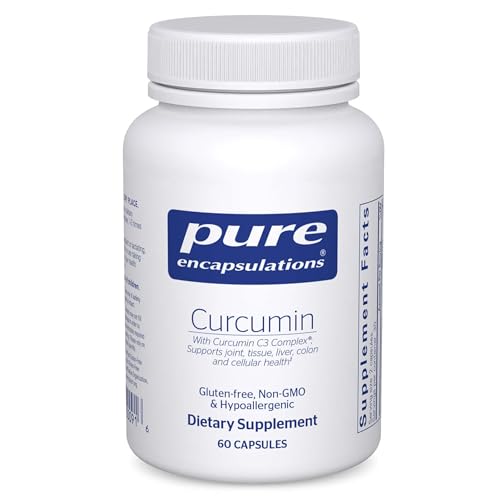
If you choose to use curcumin, select products with third-party testing for identity and contaminants. Track your alcohol intake honestly. Be aware that both curcumin and alcohol can affect liver enzymes and may interact with medications metabolized by CYP450 pathways. These are theoretical concerns based on pharmacology, not proven risks from clinical studies in perimenopausal women.
What We Still Don’t Know
Critical gaps remain: no human pharmacokinetic studies of curcumin with concurrent alcohol; no safety data in women with perimenopausal hormonal shifts; no data on different curcumin formulations combined with varying alcohol patterns; no long-term outcome data. The single rodent study showing potential harm [5] has not been replicated or explored mechanistically in humans. Until such research exists, any statement about safety is speculative.
References
- Curcumin prevents chronic alcohol-induced liver disease involving decreasing ROS generation and enhancing antioxidative capacity. Phytomedicine : international journal of phytotherapy and phytopharmacology, 2012
- Protective effects of curcumin against chronic alcohol-induced liver injury in mice through modulating mitochondrial dysfunction and inhibiting endoplasmic reticulum stress. Food & nutrition research, 2019
- [Effects of curcumin on liver injury induced by chronic alcohol addiction]. Zhongguo ying yong sheng li xue za zhi = Zhongguo yingyong shenglixue zazhi = Chinese journal of applied physiology, 2022
- Alcohol-induced liver injury in signalling pathways and curcumin’s therapeutic potential. Toxicology reports, 2023
- Negative effects of curcumin on liver injury induced by alcohol. Phytotherapy research : PTR, 2012
- Therapeutic application of natural products: NAD(+) metabolism as potential target. Phytomedicine : international journal of phytotherapy and phytopharmacology, 2023
- Molecular Mechanism of Interaction of Curcumin with BSA, Surfactants and Live E. Coli Cell Membrane Revealed by Fluorescence Spectroscopy and Confocal Microscopy. Chemphyschem : a European journal of chemical physics and physical chemistry, 2022
- pH-driven self-assembly of alcohol-free curcumin-loaded propylene glycol alginate nanoparticles. International journal of biological macromolecules, 2022
- Curcumin/pEGCG-encapsulated nanoparticles enhance spinal cord injury recovery by regulating CD74 to alleviate oxidative stress and inflammation. Journal of nanobiotechnology, 2024
- Over the Counter Supplements for Memory: A Review of Available Evidence. CNS drugs, 2023
These statements have not been evaluated by the Food and Drug Administration. This information is not intended to diagnose, treat, cure, or prevent any disease. Content is for informational purposes only and is not medical advice; consult a qualified healthcare provider before starting any supplement. As an Amazon Associate we earn from qualifying purchases.
