Affiliate disclosure: As an Amazon Associate, this site earns from qualifying purchases linked in this article.
Many women notice that bloating, gas, and occasional indigestion become more frequent as they move through perimenopause. Hormonal fluctuations can slow gut motility, alter the microbiome, and increase sensitivity to certain foods, making everyday meals feel less comfortable [1][2].
Curcumin, the primary active compound in turmeric, has been studied for its anti‑inflammatory and antioxidant properties, and some preliminary research suggests it may influence digestive pathways. This article reviews what is currently known, highlights where the evidence is thin, and offers practical considerations for women exploring curcumin as part of a broader digestive‑wellness strategy.
Why Digestion Shifts in Perimenopause
Estrogen and progesterone affect the enteric nervous system, which controls gut movement and secretion. As these hormones decline, the rhythmic contractions that move food through the intestines can become irregular, leading to slower transit time and a feeling of fullness or bloating [3].
Changes in hormone levels also impact the composition of gut bacteria. A less diverse microbiome may produce more gas from fermentation of certain carbohydrates, contributing to distension and discomfort after meals [4][5].

How Curcumin Interacts with the Gut
Curcumin is poorly absorbed on its own, so a large portion remains in the intestinal lumen where it can interact directly with the gut lining and resident microbes [6][7]. In laboratory models, curcumin has been shown to modulate inflammatory signaling pathways and to influence the growth of certain bacterial strains.
These actions may help maintain a more balanced inflammatory tone in the intestinal mucosa and support a healthier microbial environment, both of which are relevant to reducing bloating and improving overall digestive comfort [8].
What the Limited Research Suggests
Human studies specifically examining curcumin for bloating or indigestion in perimenopausal women are scarce. Small, short‑term trials in mixed adult populations have reported improvements in abdominal pain and bloating, but it is worth being exact about which formulations were actually tested. One randomised trial in 121 people with irritable bowel syndrome used curcumin combined with fennel essential oil and found a significantly greater fall in symptom-severity scores than placebo over 30 days [9]. Another randomised trial in people with irritable bowel syndrome and small-bowel dysbiosis used a curcumin–boswellia phytosome — a phospholipid complex — alongside a low-FODMAP diet, and saw bloating and abdominal pain fall further than with the diet alone [10]. Neither trial tested curcumin with piperine, and neither was conducted in perimenopausal women specifically.

Because the available data come from heterogeneous study designs, varying doses, and different formulations, it is difficult to draw firm conclusions about effectiveness for this specific group. The evidence base remains preliminary and should be interpreted with caution. A 2024 systematic review of turmeric across digestive disorders reached the same conclusion from 26 trials: turmeric appeared safe and possibly useful in irritable bowel syndrome and inflammatory bowel disease, but most studies carried a high risk of bias, so efficacy remains unclear [11].
Practical Ways to Use Curcumin for Digestive Comfort
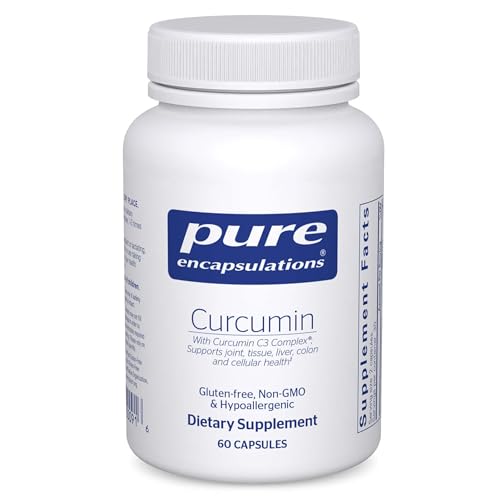
If you choose to try a curcumin supplement, look for products that enhance bioavailability — such as those containing piperine, liposomal delivery, or curcumin‑phospholipid complexes — because higher intestinal exposure may increase the chance of a local effect.
Start with a low dose (for example, 250–500 mg of curcumin per day) and monitor how your body responds over several weeks. Taking the supplement with a meal that contains some fat can further improve absorption and may reduce the chance of stomach upset.
Lifestyle Factors That Complement Curcumin
Regular physical activity, adequate hydration, and a diet rich in soluble fiber (such as oats, flaxseed, and legumes) support regular bowel movements and can lessen bloating independent of any supplement.
Stress management techniques — like mindful breathing, yoga, or cognitive‑behavioral strategies — help regulate the gut‑brain axis, which is especially sensitive during hormonal transitions. Combining these habits with a well‑chosen curcumin product may provide a more comprehensive approach to digestive ease.
References
- Bowel dysfunction in postmenopausal women. Women & health, 1998
- Sex Differences, Menses-Related Symptoms and Menopause in Disorders of Gut-Brain Interaction. Neurogastroenterology and motility, 2025
- Ovarian function and gastrointestinal motor activity. Minerva endocrinologica, 2011
- Spotlight on the Gut Microbiome in Menopause: Current Insights. International journal of women’s health, 2022
- Estrogen-gut microbiome axis: Physiological and clinical implications. Maturitas, 2017
- Bioavailability of curcumin: problems and promises. Molecular pharmaceutics, 2007
- Bidirectional interactions between dietary curcumin and gut microbiota. Critical reviews in food science and nutrition, 2019
- Curcumin and Its Potential Impact on Microbiota. Nutrients, 2021
- Curcumin and Fennel Essential Oil Improve Symptoms and Quality of Life in Patients with Irritable Bowel Syndrome. Journal of gastrointestinal and liver diseases : JGLD, 2016
- Beneficial Effects on Abdominal Bloating with an Innovative Food-Grade Formulation of Curcuma longa and Boswellia serrata Extracts in Subjects with Irritable Bowel Syndrome and Small Bowel Dysbiosis. Nutrients, 2022
- A systematic review of the efficacy and safety of turmeric in the treatment of digestive disorders. Phytotherapy research : PTR, 2024
These statements have not been evaluated by the Food and Drug Administration. This information is not intended to diagnose, treat, cure, or prevent any disease. Content is for informational purposes only and is not medical advice; consult a qualified healthcare provider before starting any supplement. As an Amazon Associate we earn from qualifying purchases.
