Affiliate disclosure: As an Amazon Associate, this site earns from qualifying purchases linked in this article.
If you follow a vegetarian or vegan diet, you’re already making intentional food choices based on health, ethics, or both. Curcumin—the active compound in turmeric—fits naturally into plant-based eating patterns, but sourcing it well and understanding how your body uses it matters. This guide walks through practical ways to integrate curcumin into a vegetarian or vegan diet, what the research actually says, and what to keep in mind.
Whether you’re exploring curcumin as part of broader dietary support during midlife transitions or simply want to know how to use turmeric effectively in your kitchen, this article addresses the nutritional reality: where to find quality curcumin sources, how to optimize absorption, and how it fits within common vegetarian and vegan nutritional frameworks.
Why Curcumin Fits into Plant-Based Eating
Curcumin comes from turmeric root, making it inherently plant-derived and compatible with all levels of vegetarian and vegan eating. Unlike some supplements or functional ingredients that require animal-derived ingredients (gelatin capsules, for example), curcumin can be sourced and delivered in forms that align with plant-based values.
Plant-based diets are increasingly recognized as part of comprehensive nutritional strategies for various health considerations across the lifespan. Research on plant-based approaches—including the use of herbal and nutraceutical components like curcumin—suggests they can support overall dietary quality when planned thoughtfully [1]. For those navigating midlife and menopause, a well-structured vegetarian or vegan diet combined with targeted plant compounds may support nutritional adequacy and wellness goals.
Primary Sources of Curcumin in a Vegetarian Diet
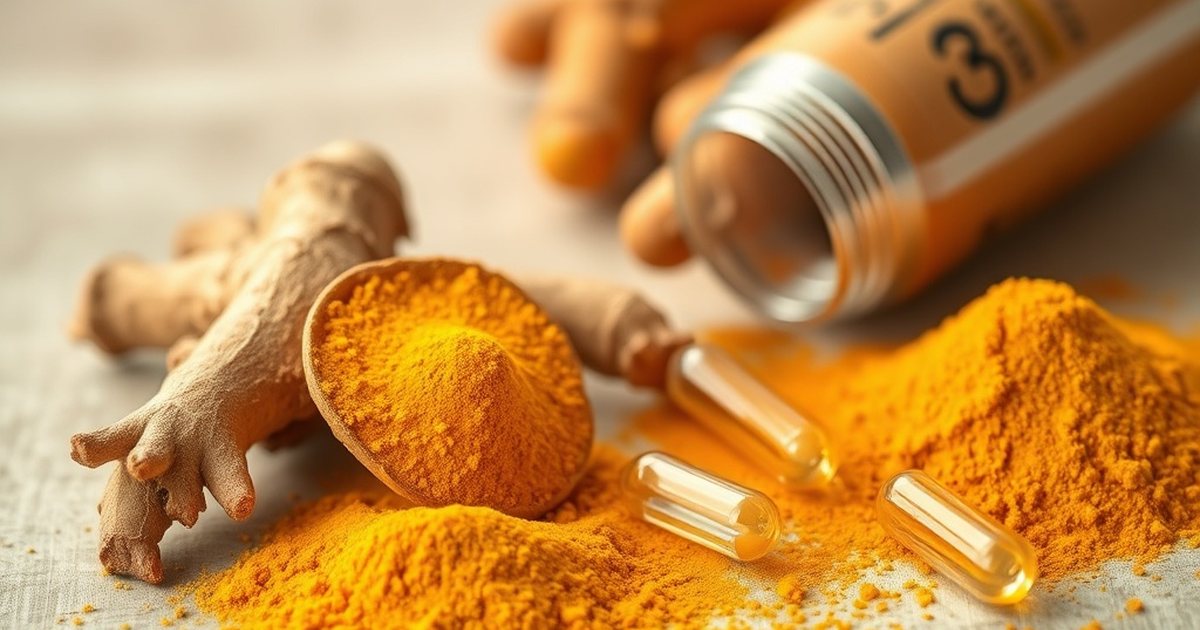
Fresh turmeric root and dried turmeric powder remain the most direct food sources of curcumin. A typical serving of dried turmeric powder (about 1 teaspoon or 3 grams) contains roughly 100–150 mg of curcumin, though this varies by origin and processing. Fresh turmeric root contains lower concentrations but is increasingly available in grocery stores and farmers’ markets.
Whole turmeric powder is versatile: it blends into curries, golden milk lattes, soups, roasted vegetables, rice dishes, and smoothies. For vegetarians and vegans, turmeric-based dishes in Indian, Thai, and Middle Eastern cuisines offer both flavor and curcumin intake without reliance on animal products. Golden milk (turmeric in plant-based milk with warming spices) has become a staple in many plant-based households.

Beyond whole powder, concentrated curcumin supplements marketed to vegetarians and vegans come in several forms: capsules (often in cellulose or plant-based capsule shells), liquid extracts, and powders. When choosing supplements, look for those using plant-based capsules rather than gelatin, and verify that carrier ingredients and processing aids align with your dietary choices.
Bioavailability: How Your Body Uses Curcumin
A critical consideration for vegetarians and vegans using curcumin is bioavailability—how much your body actually absorbs and uses. Curcumin’s absorption is relatively low on its own, but several plant-based strategies can enhance it significantly. Combining curcumin with black pepper (piperine) is the most well-established approach; piperine can increase curcumin absorption substantially. Since both turmeric and black pepper are plant-derived spices, this pairing is perfectly aligned with any vegetarian or vegan diet.
Fat enhances curcumin absorption as well. Using turmeric in dishes cooked with plant-based oils (coconut, olive, or sesame oil), adding it to creamy plant-based curries with coconut milk, or consuming it with other dietary fats optimizes how much your body can absorb. This is good news for vegetarians and vegans who often include nuts, seeds, avocados, and plant oils as regular nutritional staples.
When using whole turmeric powder or preparing food-based curcumin sources, these absorption-enhancing strategies come naturally. If you opt for concentrated supplements, look for formulations that include black pepper extract (piperine) or other bioavailability enhancers, and take them with a small meal containing fat.
Nutritional Integration Within Plant-Based Frameworks
For vegetarians and vegans in midlife, curcumin fits into broader nutritional strategies. Plant-based diets require attention to certain nutrients—iron, B12, calcium, omega-3 fatty acids, and zinc—but curcumin supplementation itself does not address these needs. Rather, curcumin complements a well-planned plant-based diet that includes legumes, whole grains, fortified plant milks, nuts, seeds, and diverse vegetables.

Research examining plant-based nutritional approaches alongside herbal components like curcumin suggests that integration works best when the overall diet is nutritionally adequate [1]. For women navigating conditions that may benefit from dietary support—such as PCOS, endometriosis, or gastrointestinal concerns—a plant-based approach combined with thoughtful use of curcumin may fit as one element of a larger dietary strategy [2], [3].
This means curcumin should be viewed as a supplement to, not a replacement for, good nutrition. Vegetarians and vegans using curcumin should still prioritize adequate protein intake from varied plant sources, ensure sufficient micronutrient coverage (through food or other supplements as needed), and maintain the diversity and whole-food focus that makes plant-based eating effective.
Sourcing Quality Curcumin for Vegetarians and Vegans
Quality matters when sourcing curcumin, whether as whole powder or concentrated supplements. For whole turmeric powder, purchase from sources with good turnover (spice companies, bulk bins, or reputable retailers) to ensure freshness. Store in a cool, dark place to preserve active compounds. Organic certification is available for turmeric and can matter if pesticide residue is a concern for you.
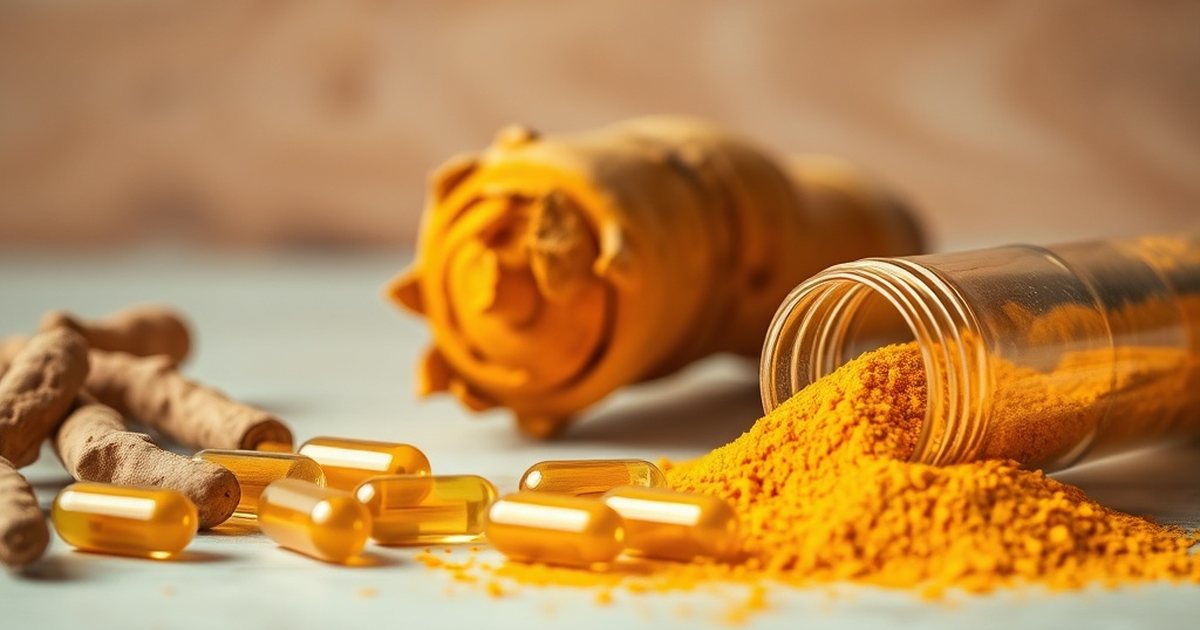
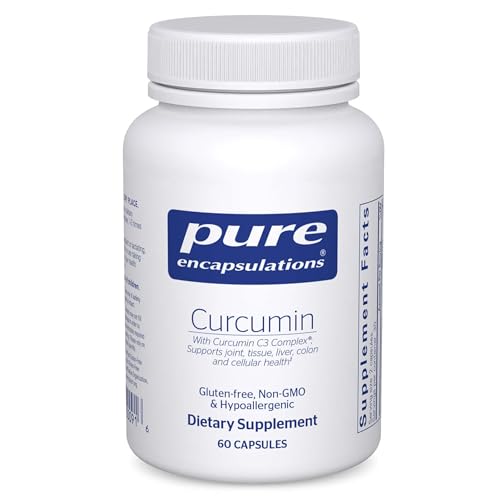
For concentrated curcumin supplements, look for third-party testing (NSF, USP, or ConsumerLab certifications indicate quality control). Check the label for: plant-based capsule material (cellulose, hypromellose, or other plant sources rather than gelatin), absence of unnecessary fillers or animal-derived ingredients, curcumin content per dose, and ideally the inclusion of piperine or other bioavailability enhancers. Reputable manufacturers will list these clearly.
Consider your sourcing values as well. Some vegetarians and vegans prioritize fair-trade, ethical sourcing of turmeric. Fair-trade turmeric is increasingly available and supports equitable practices in turmeric-producing regions, primarily India. This aligns sourcing with the ethical framework many people bring to plant-based eating.
Practical Integration into Daily Eating
Simple, repeatable ways to include curcumin in a vegetarian or vegan diet increase consistency. Add turmeric powder to: scrambled tofu, bean-based soups, lentil curries, roasted root vegetables, grain bowls, plant-based yogurt, and herbal tea. A pinch in avocado toast, blended into smoothies with plant-based milk, or stirred into tahini dressings all work. The key is making it a habit rather than an occasional ingredient.
Golden milk is one of the easiest entry points for those new to using turmeric deliberately. Simmer turmeric powder with plant-based milk, add black pepper and a touch of sweetener (date, maple syrup, or plant-based honey), and you have a warm beverage that combines curcumin with bioavailability enhancers. This can become an evening ritual, especially for vegetarians and vegans looking to support their overall wellness during transitions like perimenopause or menopause.
If choosing a supplement, consistency matters more than high single doses. Taking a standardized curcumin supplement daily (in the dose range typically recommended on the label) is more likely to be beneficial than sporadic higher doses. Pair supplement timing with meals containing fat to optimize absorption.
References
- Nutritional and herbal interventions for polycystic ovary syndrome (PCOS): a comprehensive review of dietary approaches, macronutrient impact, and herbal medicine in management. Journal of health, population, and nutrition, 2025
- The Role of Plant-Based Diets and Personalized Nutrition in Endometriosis Management: A Review. Medicina (Kaunas, Lithuania), 2025
- Effects of Mediterranean Diet, Curcumin, and Resveratrol on Mild-to-Moderate Active Ulcerative Colitis: A Multicenter Randomized Clinical Trial. Nutrients, 2024
These statements have not been evaluated by the Food and Drug Administration. This information is not intended to diagnose, treat, cure, or prevent any disease. Content is for informational purposes only and is not medical advice; consult a qualified healthcare provider before starting any supplement. As an Amazon Associate we earn from qualifying purchases.
