Affiliate disclosure: As an Amazon Associate, this site earns from qualifying purchases linked in this article.
Many women notice increased joint discomfort during perimenopause, a time when hormonal fluctuations can amplify inflammation and pain sensitivity. Some turn to curcumin, a compound derived from turmeric, as a potential alternative to non‑steroidal anti‑inflammatory drugs (NSAIDs) such as ibuprofen or naproxen.
The overall evidence base for a direct comparison is moderate at best. Clinical trials that pit curcumin against NSAIDs specifically in perimenopausal women are lacking, and most available data come from laboratory studies. This article summarizes the preclinical findings that have been published and highlights where the evidence stops.
Preclinical Findings on Curcumin and NSAID Interactions
Researchers have chemically linked curcumin to NSAID molecules to create hybrid compounds, aiming to combine the anti‑inflammatory properties of both classes [1]. These conjugates were evaluated for structural stability and anti‑proliferative activity in cell‑based assays, providing a proof‑of‑concept that the two pharmacophores can be merged without losing basic chemical integrity.
A separate line of work explored curcuminoid chalcones, a structural variant of curcumin, and reported neuroprotective and sonosensitising effects in vitro [2]. While these activities are not directly related to joint inflammation, they demonstrate that modifications of the curcumin scaffold can yield diverse biological profiles.
Both studies are early‑stage laboratory investigations. They do not provide data on pain relief, joint function, or safety in humans, and the hybrid molecules have not been tested in clinical settings.

Curcumin’s Binding Affinity Compared to Common NSAIDs
A biophysical study measured the binding of curcumin to amyloid‑β1‑40 peptides and fibrils and found that curcumin interacted more strongly than ibuprofen or naproxen under the same experimental conditions [3]. The authors used fluorescence and computational docking to quantify these differences.
Although the target in that experiment was amyloid‑β rather than a classic inflammatory mediator, the result illustrates that curcumin can engage protein targets with an affinity that exceeds some widely used NSAIDs in a test‑tube setting. Translating this observation to joint tissue inflammation remains speculative.
Curcumin’s Effects on Amyloid Pathways: Context for Joint Health
Another laboratory investigation showed that curcumin inhibits the formation of amyloid‑β oligomers and fibrils, binds existing plaques, and reduces amyloid burden in an animal model [4]. These actions are relevant to neurodegenerative disease research.
Perimenopausal joint pain is not driven by amyloid pathology, so the direct relevance of these findings to musculoskeletal symptoms is unclear. They do, however, underscore curcumin’s capacity to modulate protein aggregation processes, a mechanism that is distinct from the cyclooxygenase inhibition typical of NSAIDs.

Clinical Evidence Gap for Perimenopausal Joint Pain
To date, no randomized controlled trials have directly compared curcumin supplementation with NSAIDs for joint pain in perimenopausal women. The majority of curcumin trials in osteoarthritis enroll mixed‑age cohorts and do not stratify results by menopausal status.
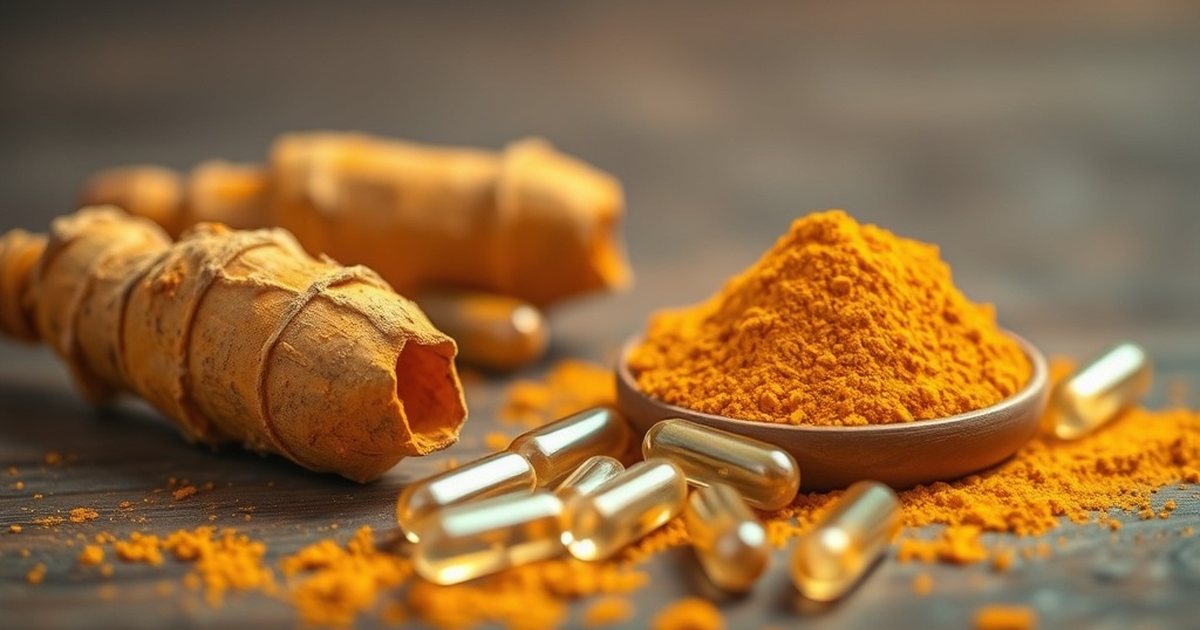
Systematic reviews of curcumin for osteoarthritis report modest improvements in pain scores, but the studies are heterogeneous, often small, and use varying formulations and doses. None have focused on the hormonal milieu of perimenopause.
Because of this gap, any claim that curcumin is equivalent or superior to NSAIDs for this specific population would be unsupported by current clinical data.

Practical Considerations and Safety
Curcumin supplements vary widely in bioavailability; many products include piperine, phospholipid complexes, or nanoparticle delivery to enhance absorption. The optimal dose for joint symptoms has not been established, and long‑term safety data are limited.
NSAIDs carry well‑documented risks, including gastrointestinal ulceration, renal impairment, and increased cardiovascular events, especially with chronic use. These risks may be heightened during perimenopause due to changing vascular and metabolic profiles.
Women considering curcumin, NSAIDs, or a combination should discuss their medical history, current medications, and symptom severity with a qualified healthcare professional before starting any new regimen.
References
- Curcumin Conjugates of Non-steroidal Anti-Inflammatory Drugs: Synthesis, Structures, Anti-proliferative Assays, Computational Docking, and Inflammatory Response. ChemistryOpen, 2020
- Curcuminoid Chalcones: Synthesis, Stability, and New Neuroprotective and Sonosensitising Activities. Pharmaceuticals (Basel, Switzerland), 2023
- Curcumin binds to Aβ1-40 peptides and fibrils stronger than ibuprofen and naproxen. The journal of physical chemistry. B, 2012
- Curcumin inhibits formation of amyloid beta oligomers and fibrils, binds plaques, and reduces amyloid in vivo. The Journal of biological chemistry, 2005
These statements have not been evaluated by the Food and Drug Administration. This information is not intended to diagnose, treat, cure, or prevent any disease. Content is for informational purposes only and is not medical advice; consult a qualified healthcare provider before starting any supplement. As an Amazon Associate we earn from qualifying purchases.
