Affiliate disclosure: As an Amazon Associate, this site earns from qualifying purchases linked in this article.
Many women in midlife take anticoagulant or antiplatelet medication to reduce cardiovascular risk, and they may also consider curcumin supplements for joint comfort or inflammation. Understanding whether curcumin influences the action of these drugs is essential for safe decision‑making.
The current evidence base is moderate in strength and consists mainly of mechanistic reviews, animal pharmacokinetic studies, a single human interaction trial with a bioavailable curcumin formulation, and several in‑vitro material studies. Findings are not uniform, and no large clinical trials have definitively quantified the interaction risk in people.
Mechanisms of Curcumin on Hemostasis and Coagulation
A 2018 review summarized laboratory data indicating that curcumin can modulate several steps of the coagulation cascade, inhibit platelet aggregation, and affect fibrinolysis in cell‑based and animal models [1]. These effects are largely attributed to curcumin’s ability to interfere with signaling pathways such as NF‑κB and to its antioxidant properties.
While the review highlights multiple potential antithrombotic actions, it also notes that the magnitude of these effects varies with dose, formulation, and experimental system, and that direct extrapolation to humans taking therapeutic anticoagulants remains uncertain [1].

Pharmacokinetic Interactions with Warfarin and Clopidogrel
In a controlled rat study, oral curcumin administered together with warfarin or clopidogrel altered the plasma concentration‑time profiles of both drugs, suggesting an effect on absorption or metabolism [2]. However, the same study reported that standard coagulation assays (INR for warfarin, platelet aggregation for clopidogrel) did not change significantly despite the pharmacokinetic shifts.
These results imply that curcumin may influence drug exposure without necessarily translating into a measurable change in anticoagulant or antiplatelet effect, at least in this animal model. The relevance to humans is unclear because species differences in cytochrome‑P450 enzymes and gut microbiota can modify curcumin’s metabolic interactions.
Clinical Interaction Data with a Bioavailable Curcumin Formulation
A 2018 open‑label study evaluated a bioavailable curcumin phytosome (Meriva®) in participants who were already on antiplatelet agents, anticoagulants, or thyroid replacement therapy [3]. The investigators monitored bleeding events, INR stability, and platelet function over a 30‑day period.

No statistically significant differences in INR values, platelet aggregation, or clinically relevant bleeding were observed compared with baseline, suggesting that this specific formulation did not produce a detectable interaction in the small cohort studied. The authors cautioned that the sample size was limited and that the study was not powered to rule out rare adverse events [3].
In‑Vitro and Material‑Based Findings on Anticoagulant Properties
Research on curcumin‑incorporated polymer films demonstrated that curcumin released from a poly(lactic‑co‑glycolic acid) matrix prolonged clotting times in plasma‑based assays, indicating a direct anticoagulant effect of the compound in a material context [4].
Separate work on polylactic acid nanofibrous mats showed that surface topography influences blood compatibility, and curcumin‑modified surfaces tended to reduce platelet adhesion compared with unmodified controls [5]. These findings are confined to laboratory settings and do not establish what occurs when curcumin is ingested as a supplement.
Practical Considerations for Women Using Anticoagulants
Taken together, the evidence suggests that curcumin possesses biological activity that could theoretically interact with blood‑thinning medications, but human data are sparse and largely reassuring for the specific bioavailable formulation tested [3]. Animal pharmacokinetic data raise a flag for possible altered drug levels, yet functional coagulation endpoints were unchanged in that model [2].
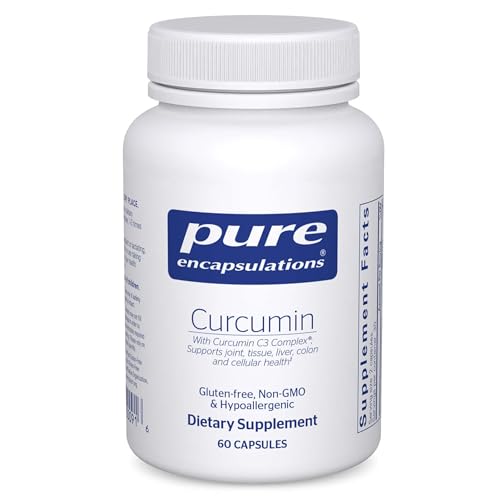
Women who are on warfarin, direct oral anticoagulants, or antiplatelet therapy should discuss any curcumin supplement with their prescribing clinician, especially if they plan to use high‑dose or enhanced‑absorption products. Routine monitoring (e.g., INR checks) remains the standard safety practice when adding any new dietary supplement.
References
- Curcumin, hemostasis, thrombosis, and coagulation. Journal of cellular physiology, 2018
- Curcumin alters the pharmacokinetics of warfarin and clopidogrel in Wistar rats but has no effect on anticoagulation or antiplatelet aggregation. Planta medica, 2013
- Interaction study between antiplatelet agents, anticoagulants, thyroid replacement therapy and a bioavailable formulation of curcumin (Meriva®). European review for medical and pharmacological sciences, 2018
- [Preparation and anticoagulation of curcumin/poly(lactic acid-co-glycol acid) composite films]. Sheng wu yi xue gong cheng xue za zhi = Journal of biomedical engineering = Shengwu yixue gongchengxue zazhi, 2008
- Surface topography of polylactic acid nanofibrous mats: influence on blood compatibility. Journal of materials science. Materials in medicine, 2018
These statements have not been evaluated by the Food and Drug Administration. This information is not intended to diagnose, treat, cure, or prevent any disease. Content is for informational purposes only and is not medical advice; consult a qualified healthcare provider before starting any supplement. As an Amazon Associate we earn from qualifying purchases.
