Affiliate disclosure: As an Amazon Associate, this site earns from qualifying purchases linked in this article.
For women navigating midlife and menopause, understanding the safety profile of daily supplements like curcumin is a common consideration. Curcumin, a compound derived from the turmeric plant, has garnered interest for its various potential benefits.
This article aims to provide an evidence-based overview of curcumin long-term safety, drawing on available research to help you make informed decisions about consistent supplementation.
Understanding Curcumin and Its Role
Curcumin is the primary active compound found in turmeric (Curcuma longa), a spice widely used in traditional practices. Its potential effects have led to its use in various health contexts [1]. Research has explored curcumin’s potential in areas ranging from inflammatory processes to cellular health, making it a subject of ongoing scientific inquiry [2].
Many women in midlife and menopause consider daily supplementation to support overall well-being. When incorporating any supplement into a daily routine, particularly for an extended period, understanding its safety profile is paramount. This includes looking at how curcumin interacts with the body over time.

General Safety Profile of Curcumin
Generally, curcumin is considered to have a favorable safety profile. Clinical studies have explored its use, and a comprehensive review indicated that curcumin-piperine co-supplementation, often used to enhance absorption, also appears to have a good safety profile in humans [3]. Piperine, a compound from black pepper, is frequently combined with curcumin to improve its bioavailability [3].
The overall assessment from various clinical trials suggests that curcumin is well-tolerated by most individuals. However, as with any supplement, individual responses can vary. It’s important to note that while many studies report a good safety profile, specific populations or very high doses might require closer attention.
Considerations for Long-Term Daily Use
When considering curcumin for long-term daily supplementation, it’s helpful to review the available evidence on extended use. Studies have investigated curcumin’s role in various health areas, including inflammation, lipid peroxidation, and gut microbiota composition, with findings suggesting its modulatory effects [4]. These investigations often involve consistent administration over periods that can be considered long-term.

Another review highlighted potential therapeutic effects of curcumin against a range of conditions, including neurodegenerative, cardiovascular, pulmonary, metabolic, autoimmune, and neoplastic diseases, indicating its broad scope of study [2]. The consistent exploration of curcumin in these varied contexts, often involving sustained supplementation, contributes to our understanding of its long-term use. For instance, its application has been studied in contexts such as benign prostatic hyperplasia and prostate cancer, further demonstrating its broad research interest [5].
The evidence from these various studies, some of which involve daily supplementation over extended periods, generally supports the idea that curcumin can be used consistently. The focus keyword, curcumin long term safety, is reinforced by the consistent findings of its tolerability in research settings.
Potential Side Effects and Interactions
While curcumin is generally well-tolerated, some individuals may experience mild side effects, particularly with higher doses. These can include gastrointestinal discomfort such as nausea or diarrhea. However, such instances are typically infrequent and not severe.
It’s also important to consider potential interactions with certain medications. For example, curcumin might interact with blood-thinning medications. Therefore, if you are taking any prescription drugs, it is always advisable to consult with a healthcare professional before starting any new supplement regimen to ensure there are no contraindications or potential interactions. This is especially true for long-term daily supplementation.
Quality and Formulation Matter
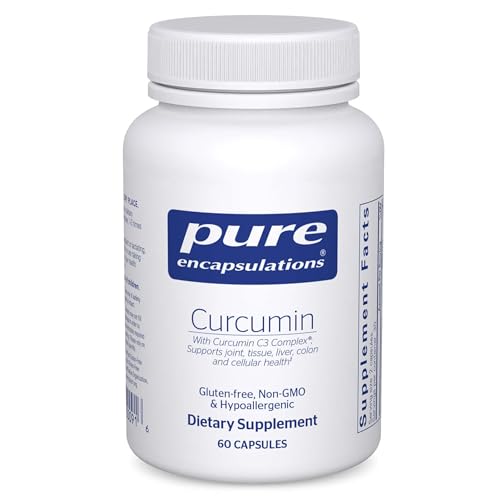
The effectiveness and safety of curcumin supplementation can also depend on the quality and formulation of the product. Curcumin itself has low bioavailability, meaning it is not easily absorbed by the body [3]. Many supplements address this by combining curcumin with piperine, which can enhance absorption [3].
When choosing a curcumin supplement for long-term daily use, look for reputable brands that provide information about their sourcing, manufacturing processes, and third-party testing. This helps ensure you are getting a high-quality product that aligns with the safety profiles observed in research. The specific formulation, such as a Meriva® curcumin supplement, has been shown to modulate inflammation, lipid peroxidation, and gut microbiota composition in chronic kidney disease, highlighting the importance of formulation in achieving desired effects [4].
References
- Therapeutic roles of curcumin: lessons learned from clinical trials. The AAPS journal, 2013
- Potential therapeutic effects of curcumin, the anti-inflammatory agent, against neurodegenerative, cardiovascular, pulmonary, metabolic, autoimmune and neoplastic diseases. The international journal of biochemistry & cell biology, 2009
- Curcumin-piperine co-supplementation and human health: A comprehensive review of preclinical and clinical studies. Phytotherapy research : PTR, 2023
- Curcumin Supplementation (Meriva(®)) Modulates Inflammation, Lipid Peroxidation and Gut Microbiota Composition in Chronic Kidney Disease. Nutrients, 2022
- Nutraceutical treatment and prevention of benign prostatic hyperplasia and prostate cancer. Archivio italiano di urologia, andrologia : organo ufficiale [di] Societa italiana di ecografia urologica e nefrologica, 2019
These statements have not been evaluated by the Food and Drug Administration. This information is not intended to diagnose, treat, cure, or prevent any disease. Content is for informational purposes only and is not medical advice; consult a qualified healthcare provider before starting any supplement. As an Amazon Associate we earn from qualifying purchases.
