Affiliate disclosure: As an Amazon Associate, this site earns from qualifying purchases linked in this article.
Curcumin, the active polyphenol in turmeric, has been studied in a variety of women’s health conditions, but the doses used in research differ widely across studies. Understanding what doses have been tested can help women and clinicians interpret the evidence [1].
This article summarizes the curcumin dosages evaluated in clinical trials involving women in midlife and perimenopause, highlights the formulations employed, and points out where the evidence is still limited.
Clinical Trials in Women
A double‑blind, placebo‑controlled trial in women with polycystic ovary syndrome (PCOS) examined curcumin supplementation and reported effects on blood glucose, insulin resistance, and androgen levels [2].
In a pilot study of women with severe obesity, curcumin improved gastrointestinal symptoms compared with placebo [3].
A randomized trial in postmenopausal women found that curcumin reduced fatigue and improved musculoskeletal health outcomes [4].
Women experiencing aromatase inhibitor‑induced arthropathy were studied in a pilot trial using a nanoemulsion curcumin formulation, which found the approach feasible and well tolerated but no significant difference in joint symptoms or grip strength compared with placebo [5].

A randomized clinical trial in women with endometriosis used a nanomicelle curcumin preparation and reported improvements in oxidative stress, inflammatory markers, and assisted reproductive technique outcomes [6].
A trial comparing curcumin to metronidazole for bacterial vaginosis in women found that curcumin had comparable efficacy to metronidazole in resolving symptoms [7].
Formulations and Bioavailability
Several of the women‑focused trials employed enhanced‑bioavailability formulations such as nanoemulsion, nanomicelle, or hydrolyzed curcumin to overcome the low absorption of standard curcumin powder [5][6][8].
The use of these advanced delivery systems means that the amount of curcuminoids reaching systemic circulation can be higher at a given oral dose, which complicates direct comparison of dose numbers across studies.
A dose‑response study in men using hydrolyzed curcumin showed that higher daily doses produced greater reductions in exercise‑induced inflammation and oxidative stress [8].

Dose‑Response Evidence from Systematic Reviews
A GRADE‑assessed systematic review and dose‑response meta‑analysis of randomized trials in adults found that curcumin/turmeric supplementation reduced inflammatory markers in a dose‑dependent manner, with larger effects at higher daily curcuminoid amounts [1].
Another systematic review focusing on prediabetes and type 2 diabetes reported a similar dose‑response relationship for improvements in oxidative stress and inflammation [9].
A meta‑analysis of curcumin on delayed‑onset muscle soreness, inflammation, muscle strength, and joint flexibility also identified a dose‑response trend, suggesting that doses above 1 g/day of curcuminoids may be needed for consistent benefits [10].
Gaps and Limitations in the Current Evidence
Most of the women‑specific trials are small pilot studies with fewer than 100 participants, limiting the precision of dose‑effect estimates [2][3][4][5][6][7].
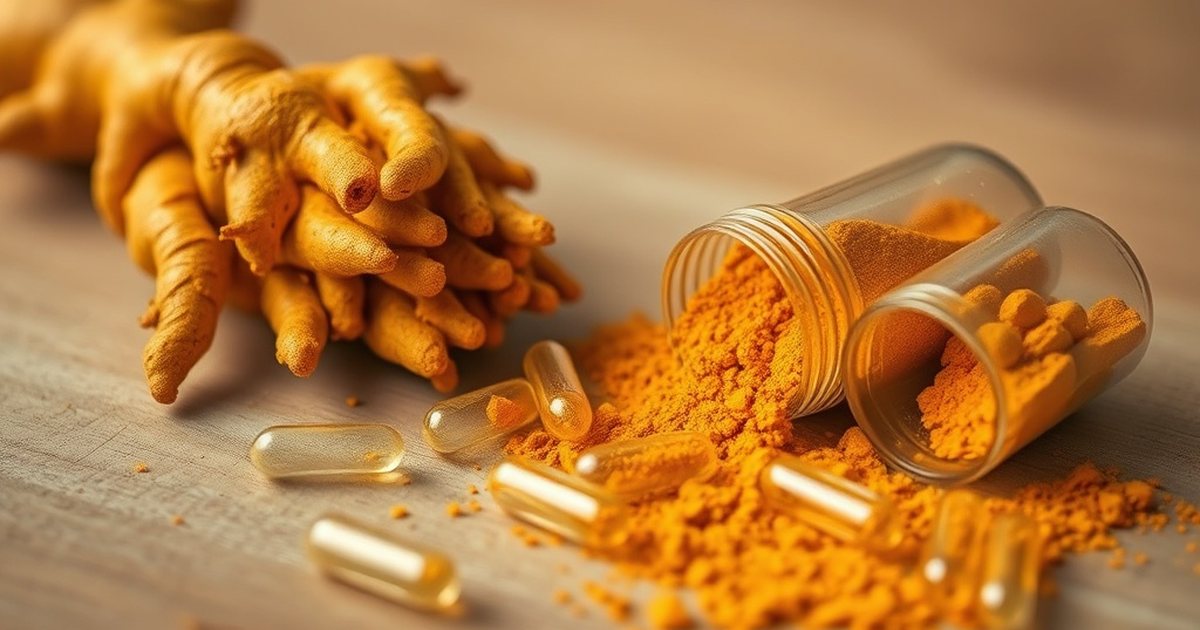
The formulations, curcuminoid content, and treatment durations vary widely, making it difficult to define a single optimal curcumin dosage for perimenopausal women.

Long‑term safety data at the higher doses used in some dose‑response analyses are sparse, especially for women on hormonal therapies or with comorbid conditions.
Practical Considerations for Women and Clinicians
When evaluating curcumin supplements, women should look for products that disclose the curcuminoid percentage and the delivery technology used, as these factors influence the effective dose.
Research protocols have used a range of daily curcuminoid amounts; a healthcare provider can help determine an appropriate starting point based on individual health status.
Potential interactions with medications such as anticoagulants, chemotherapy agents, and hormonal therapies warrant professional guidance before beginning curcumin supplementation.
References
- Antioxidant and anti-inflammatory effects of curcumin/turmeric supplementation in adults: A GRADE-assessed systematic review and dose-response meta-analysis of randomized controlled trials. Cytokine, 2023
- Effects of curcumin supplementation on blood glucose, insulin resistance and androgens in patients with polycystic ovary syndrome: A randomized double-blind placebo-controlled clinical trial. Phytomedicine : international journal of phytotherapy and phytopharmacology, 2021
- Curcumin Supplementation Improves Gastrointestinal Symptoms in Women with Severe Obesity: A Double-Blind, Randomized, Placebo-Controlled Trial-A Pilot Study. Nutrients, 2025
- Effect of curcumin on fatigue and musculoskeletal health in postmenopausal women: a double-blind randomised controlled trial. BMJ open, 2025
- Randomized placebo-controlled, double-blind clinical trial of nanoemulsion curcumin in women with aromatase inhibitor-induced arthropathy: an Alliance/NCORP pilot trial. Breast cancer research and treatment, 2024
- Nanomicelle curcumin improves oxidative stress, inflammatory markers, and assisted reproductive techniques outcomes in endometriosis cases: a randomized clinical trial. Naunyn-Schmiedeberg’s archives of pharmacology, 2025
- A clinical trial of curcumin effect in comparison to metronidazole on the treatment of bacterial vaginosis. Scientific reports, 2025
- The dose-response effects of hydrolyzed curcumin on recovery, inflammation, and oxidative stress following exercise-induced muscle damage in males. Physiological reports, 2025
- Efficacy of curcumin/turmeric on inflammation and oxidative stress in prediabetes and type 2 diabetes: a systematic review and dose-response meta-analysis. Inflammopharmacology, 2025
- The effect of curcumin supplementation on delayed-onset muscle soreness, inflammation, muscle strength, and joint flexibility: A systematic review and dose-response meta-analysis of randomized controlled trials. Phytotherapy research : PTR, 2022
These statements have not been evaluated by the Food and Drug Administration. This information is not intended to diagnose, treat, cure, or prevent any disease. Content is for informational purposes only and is not medical advice; consult a qualified healthcare provider before starting any supplement. As an Amazon Associate we earn from qualifying purchases.
