Affiliate disclosure: As an Amazon Associate, this site earns from qualifying purchases linked in this article.
As women navigate perimenopause and menopause, managing various aspects of health becomes increasingly important. Many consider dietary supplements like curcumin, an active compound found in turmeric, for its potential health benefits. However, understanding how supplements may interact with conventional medications is crucial.
This article explores the current understanding of potential interactions between curcumin and blood-thinning medications. Our aim is to provide evidence-based information to help you make informed decisions, always in consultation with your healthcare provider.
What are Blood Thinners and Why Are They Used?
Blood thinners, also known as anticoagulants or antiplatelet agents, are medications designed to reduce the risk of blood clots. These medications are often prescribed for individuals with certain health conditions, such as a history of stroke, heart attack, deep vein thrombosis, or atrial fibrillation. They work by different mechanisms to either prevent platelets from clumping together or to interfere with the blood clotting cascade.
It’s important to recognize that while these medications are vital for preventing serious health events, they also carry a risk of increased bleeding. Therefore, any substance that might influence their effects needs careful consideration.
Curcumin’s Influence on Blood Coagulation: The Evidence
Curcumin has been studied for its potential effects on various physiological processes, including those related to blood coagulation and hemostasis [1]. Research indicates that curcumin may influence platelet aggregation, a key step in blood clot formation [1]. Platelets are small blood cells that stick together to form a plug at the site of injury, initiating the clotting process. By potentially affecting platelet function, curcumin could theoretically alter the body’s ability to form clots.

Additionally, some studies suggest curcumin may have an impact on coagulation factors, which are proteins involved in the complex cascade that leads to blood clot formation [1]. These effects are generally observed in laboratory settings or animal models, and the extent to which they translate to significant changes in humans, especially at typical dietary supplement doses, is an area of ongoing research. The overall evidence points to a potential, though moderate, influence on these systems.
Understanding Curcumin’s Interactions with Specific Blood Thinners
The potential for curcumin to interact with blood-thinning medications is a key concern. One study investigated the interaction between a bioavailable formulation of curcumin (Meriva®) and antiplatelet agents, anticoagulants, and thyroid replacement therapy. This study concluded that the tested curcumin formulation did not show a clinically relevant interaction with these specific medications [2]. This finding suggests that not all curcumin formulations or all blood thinners may interact in the same way, or to the same degree.
However, other research has explored how curcumin and other compounds, like quercetin, might modify the activity of enzymes involved in drug metabolism, such as CYP1A2 and CYP3A, which are relevant to warfarin’s effects [3]. This in vitro research, conducted outside of a living organism, suggests a potential for interaction at the enzymatic level. The clinical significance of these in vitro findings in humans requires further investigation.
Overall, pharmacokinetic interactions, which involve how the body absorbs, distributes, metabolizes, and excretes drugs, are a complex area. Curcuminoids have been reviewed for their pharmacokinetic interactions with conventional drugs, highlighting the need for careful consideration when co-administered with other medications [4].

Why Perimenopausal Women Should Be Particularly Aware
Women in perimenopause and menopause may experience changes in their cardiovascular health, and some may be prescribed blood-thinning medications for various reasons. For example, the risk of certain cardiovascular events can increase with age. Therefore, understanding potential interactions between supplements and prescribed medications is particularly important in this life stage.
The use of any supplement, including curcumin, alongside blood thinners should always be a discussion with a healthcare provider. Self-medicating or adjusting dosages of either curcumin or prescribed blood thinners without professional guidance can have serious health implications. The goal is to balance potential benefits with safety.
General Safety Considerations and Recommendations
When considering curcumin, especially if you are taking blood thinners, it’s essential to prioritize safety. While some studies suggest a lack of clinically relevant interactions with certain curcumin formulations and medications [2], the broader evidence base regarding curcumin’s influence on coagulation [1] and drug metabolism [3] necessitates caution.
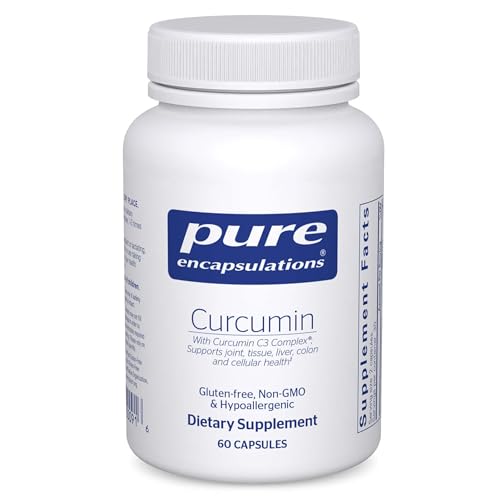
Always inform your healthcare provider about all supplements you are taking, including curcumin, particularly if you are on blood-thinning medication. Your doctor can assess your individual health profile, the specific blood thinner you are using, and the type and dosage of curcumin you are considering. They may recommend monitoring your coagulation parameters more closely if you decide to take both.
What Does ‘Moderate Evidence Strength’ Mean for This Topic?
When we describe the evidence strength for curcumin and blood thinners as ‘moderate,’ it means that there is some research suggesting potential interactions or effects, but the findings may not be entirely consistent, or the clinical significance in humans at typical supplement dosages is not fully established. Some studies are in vitro (test tube) or animal studies, which do not always translate directly to human experience. Other studies, like the one on a specific curcumin formulation, suggest no clinically relevant interaction under certain conditions [2].
This moderate level of evidence underscores the importance of a cautious approach and professional guidance. It indicates that while concerns exist, they are not universally confirmed across all types of curcumin, all blood thinners, or all individuals. Further robust human clinical trials are needed to provide more definitive guidance.
References
- Curcumin, hemostasis, thrombosis, and coagulation. Journal of cellular physiology, 2018
- Interaction study between antiplatelet agents, anticoagulants, thyroid replacement therapy and a bioavailable formulation of curcumin (Meriva®). European review for medical and pharmacological sciences, 2018
- Curcumin and quercetin modify warfarin-induced regulation of porcine CYP1A2 and CYP3A expression and activity in vitro. Xenobiotica; the fate of foreign compounds in biological systems, 2022
- Pharmacokinetic interactions of curcuminoids with conventional drugs: A review. Journal of ethnopharmacology, 2017
These statements have not been evaluated by the Food and Drug Administration. This information is not intended to diagnose, treat, cure, or prevent any disease. Content is for informational purposes only and is not medical advice; consult a qualified healthcare provider before starting any supplement. As an Amazon Associate we earn from qualifying purchases.
