Affiliate disclosure: As an Amazon Associate, this site earns from qualifying purchases linked in this article.
Curcumin, the primary polyphenol in turmeric, is widely used as a dietary supplement for its anti‑inflammatory and antioxidant properties. Many perimenopausal women take multiple prescription medications — such as hormone therapy, antidepressants, or bone‑health agents — making it important to understand how curcumin might affect those drugs.
Research indicates that curcumin can influence drug‑metabolizing enzymes, gut microbiota, and specific signaling pathways that are also targeted by medications [1][2]. However, most evidence comes from laboratory or animal studies, and human clinical data remain limited.
How Curcumin May Influence Drug Metabolism
Herbal supplements, including curcumin, have been documented to inhibit or induce cytochrome P450 enzymes and phase II conjugation pathways that process many prescription drugs [1]. Such modulation can theoretically increase or decrease plasma levels of co‑administered medications.
A key mechanism involves the gut microbiome: curcumin alters microbial composition, and microbial metabolites of curcumin can further affect enzyme activity [2]. Because the microbiota also metabolizes numerous drugs, shifts in its ecology may indirectly change drug exposure.

Reported Interactions with Specific Medications
In a preclinical model, curcumin suppressed M2 macrophage‑mediated paclitaxel chemoresistance by inhibiting the PI3K‑AKT/STAT3 signaling cascade [3]. This suggests curcumin could modify the effectiveness of certain chemotherapy agents, although clinical relevance in humans is not established.
Curcumin also forms complexes with metal ions; a study exploring curcumin‑cobalt interactions reported altered bioavailability and potential toxicity implications [4]. Women using cobalt‑containing supplements or occupational exposures should be aware of this possibility.
Curcumin and Gut Microbiota: A Two‑Way Relationship
Curcumin is extensively metabolized by intestinal bacteria into compounds such as tetrahydrocurcumin, which retain biological activity [2]. Simultaneously, curcumin supplementation can reshape microbial diversity, favoring beneficial taxa.

Because the gut microbiota contributes to the metabolism of many oral drugs — including some hormones and antidepressants — curcumin‑induced microbial changes could theoretically influence the pharmacokinetics of those medications [2].
Molecular Targets of Curcumin Relevant to Drug Pathways
Curcumin interacts with a broad set of molecular targets, including NF‑κB, PI3K/Akt, and the Nrf2 antioxidant pathway [5][6]. Many prescription drugs used during perimenopause — such as selective estrogen receptor modulators or bisphosphonates — also engage these pathways.
Overlapping targets raise the possibility of additive or antagonistic effects when curcumin is taken alongside pathway‑specific medications. Clinical studies are needed to define the magnitude and direction of any such interaction.
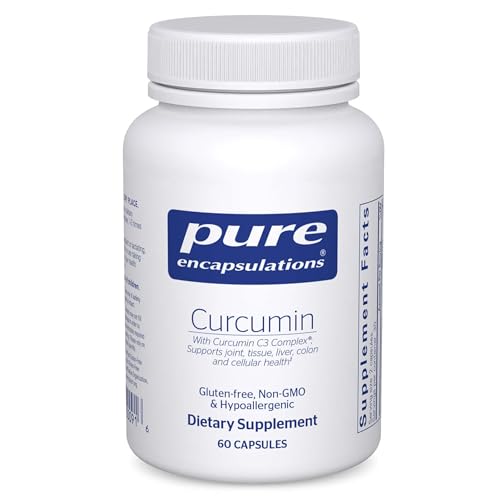
Talking with Your Healthcare Team About Curcumin Use
Maintain an up‑to‑date list of all prescription drugs, over‑the‑counter products, and supplements. Share this list with your clinician and pharmacist before starting or stopping curcumin.
Ask specifically whether any of your medications are known to be metabolized by CYP enzymes or influenced by gut microbiota, and whether timing of doses (e.g., separating curcumin from medications by a few hours) might reduce theoretical interaction risk. Because human data are sparse, decisions should be individualized and monitored.
References
- Herbal Drugs: Friend or Foe?. Journal of clinical and experimental hepatology, 2019
- Mutual Two-Way Interactions of Curcumin and Gut Microbiota. International journal of molecular sciences, 2020
- Curcumin Suppresses M2 Macrophage-derived Paclitaxel Chemoresistance through Inhibition of PI3K-AKT/STAT3 Signaling. Anti-cancer agents in medicinal chemistry, 2024
- Exploring the interactions between curcumin and cobalt: implications for health and toxicity. Biometals : an international journal on the role of metal ions in biology, biochemistry, and medicine, 2026
- Molecular Targets of Curcumin and Its Therapeutic Potential for Ovarian Cancer. Nutrition and cancer, 2022
- Nrf2 signaling in bone health: unlocking new avenues for osteoporosis management. Inflammopharmacology, 2025
These statements have not been evaluated by the Food and Drug Administration. This information is not intended to diagnose, treat, cure, or prevent any disease. Content is for informational purposes only and is not medical advice; consult a qualified healthcare provider before starting any supplement. As an Amazon Associate we earn from qualifying purchases.
