Affiliate disclosure: As an Amazon Associate, this site earns from qualifying purchases linked in this article.
Curcumin, the active polyphenol in turmeric, is widely used as a dietary supplement for its anti‑inflammatory and antioxidant properties. Many women in perimenopause consider it for joint comfort, mood support, and metabolic health, but questions about its impact on liver function remain common.
Current research offers a mixed picture: some laboratory and animal studies suggest protective effects against certain toxins, while case reports have linked turmeric supplements to autoimmune‑like hepatitis. The overall evidence base is moderate in size and quality, so a cautious, informed approach is warranted.
How Curcumin Is Studied for Liver Effects
Preclinical research often uses rodent or fish models to test curcumin against heavy‑metal or chemical induced liver injury. For example, a study in common carp showed that dietary curcumin reduced lead‑induced oxidative stress in liver tissue [1]. Another investigation found that curcumin mitigated arsenic‑related hepatic damage in experimental settings [2].
Human data are far more limited. Most clinical work focuses on biomarkers of inflammation rather than direct liver histology, and systematic reviews of herbal safety highlight the need for rigorous monitoring [3].
Potential Protective Findings in Toxicology Models
In animal models, curcumin has been reported to attenuate oxidative stress, inflammation, and fibrosis markers after exposure to arsenic or lead [2][1]. These effects are attributed to its ability to modulate Nrf2 signaling and inhibit pro‑inflammatory cytokines.

However, doses used in these experiments often exceed what is achievable with standard oral supplements, and the translation to human liver health during perimenopause remains uncertain.
Reported Cases of Liver Injury Linked to Turmeric Supplements
A 2026 case report described recurrent drug‑induced autoimmune‑like hepatitis in a patient taking a turmeric supplement, with liver enzymes normalizing after discontinuation and recurring on rechallenge [4]. This illustrates that idiosyncratic liver injury, though rare, can occur.
Regulatory databases also contain sporadic reports of elevated transaminases associated with curcumin products, underscoring the importance of product quality and individual susceptibility.

Formulation Differences and Bioavailability Considerations
Curcumin’s poor oral bioavailability has driven development of enhanced delivery systems such as micelles, liposomes, and solid dispersions. A 2021 study described a sustained‑release micellar formulation embedded in a ureasil‑polyether matrix that improved plasma concentrations in preclinical testing [5].
Different formulations can alter both efficacy and safety profiles; higher systemic exposure may increase the chance of hepatic adverse events, so women should choose products with transparent manufacturing standards.
What This Means for Women in Perimenopause
Hormonal fluctuations during perimenopause can affect liver enzyme activity and drug metabolism, potentially altering how supplements are processed. While no dedicated trials exist for this population, the general principle of starting low, monitoring liver tests, and discussing use with a clinician applies.

Herbal remedies are commonly used for menopausal symptoms such as hirsutism, and a narrative review notes variable quality and limited safety data [6]. Curcumin should be evaluated within the same cautious framework.
Practical Tips for Safe Use
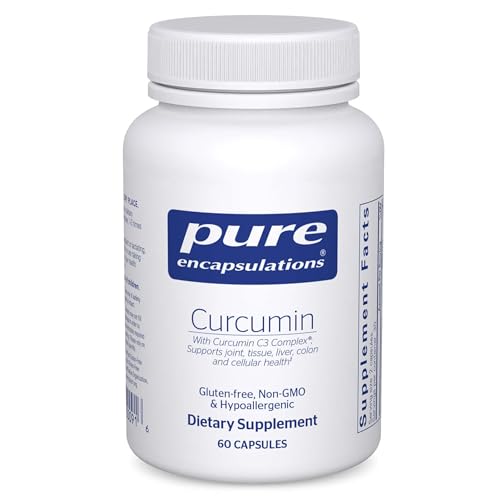
Select a curcumin product that provides a certificate of analysis for curcuminoid content and absence of contaminants. Begin with the lowest studied dose (often 250–500 mg of curcuminoids per day) and assess tolerance over several weeks.
Schedule baseline and periodic liver function tests (ALT, AST, ALP, bilirubin) especially if you have existing liver conditions, take other hepatically‑metabolized medications, or use multiple herbal products. Discontinue and seek medical evaluation if you notice jaundice, dark urine, or unexplained fatigue.
References
- Role of dietary curcumin against waterborne lead toxicity in common carp Cyprinus carpio. Ecotoxicology and environmental safety, 2021
- Counteracting arsenic toxicity: Curcumin to the rescue?. Journal of hazardous materials, 2020
- Herbal Drugs: Friend or Foe?. Journal of clinical and experimental hepatology, 2019
- Recurrent Drug-Induced Autoimmune-like Hepatitis due to Turmeric Supplementation. Journal of investigative medicine high impact case reports, 2026
- Curcumin-Loaded Micelles Dispersed in Ureasil-Polyether Materials for a Novel Sustained-Release Formulation. Pharmaceutics, 2021
- A Narrative Review of Herbal Remedies for Managing Hirsutism. International journal of preventive medicine, 2024
These statements have not been evaluated by the Food and Drug Administration. This information is not intended to diagnose, treat, cure, or prevent any disease. Content is for informational purposes only and is not medical advice; consult a qualified healthcare provider before starting any supplement. As an Amazon Associate we earn from qualifying purchases.
