Affiliate disclosure: As an Amazon Associate, this site earns from qualifying purchases linked in this article.
For women in midlife and navigating menopause, exploring plant-based options like curcumin can be part of a thoughtful approach to well-being. Curcumin, a compound found in turmeric, is a plant-based bioactive that has been studied for various aspects of health [1].
If you follow a vegan or vegetarian diet, or simply prefer plant-derived supplements, understanding how to choose a suitable vegan curcumin supplement is important. This guide will help you identify key features to consider.
Understanding Curcumin and Plant-Based Formulations
Curcumin is a naturally occurring compound derived from the turmeric plant, which has a long history of use in traditional plant-based foods [2]. As a plant-based immunomodulator, curcumin has been recognized for its potential in various health contexts [3]. When considering a vegan or vegetarian supplement, the primary focus is ensuring all ingredients, including the capsule itself, are free from animal products.
The active compounds in turmeric, primarily curcuminoids, are responsible for its researched properties. Plant-based bioactives, including those found in curcumin, are being explored for their roles in areas like oxidative stress and inflammation [1]. For women in midlife, selecting a supplement that aligns with dietary preferences means looking beyond just the active ingredient to the entire product formulation.
Why Opt for a Vegan Curcumin Supplement?
Choosing a vegan curcumin supplement aligns with a plant-based lifestyle, which many women adopt for ethical, environmental, or personal health reasons. A plant-based approach, including the use of plant-based bioactives, is increasingly recognized in discussions around healthy aging and metabolic protection [2][1].

For those who avoid animal products, ensuring your curcumin supplement is vegan means verifying that the capsule material, often gelatin, is replaced with a plant-derived alternative like cellulose. This commitment to plant-based ingredients extends to any binders, fillers, or flow agents used in the supplement’s manufacturing process. Plant-based supplements, including curcumin, are part of a broader category of nutraceuticals and phytoceuticals that are being reviewed for their potential roles in supporting well-being [4].
Key Ingredients to Scrutinize for Vegan Status
When selecting a vegan curcumin supplement, the first ingredient to check is the capsule itself. Many standard supplements use gelatin capsules, which are animal-derived. Look for ‘vegetable cellulose,’ ‘hypromellose,’ or ‘plant-derived capsules’ on the label. This ensures the delivery system for the curcumin is plant-based.
Beyond the capsule, carefully review the ‘other ingredients’ list. Some supplements may contain hidden animal-derived components such as magnesium stearate (which can sometimes be animal-derived, though plant-derived versions exist), lactose, or shellac. A truly vegan curcumin supplement will explicitly state that all ingredients are plant-based or suitable for vegans. Reputable brands will often carry certifications or clearly label their products as ‘vegan’ or ‘vegetarian,’ simplifying this process for consumers. The inclusion of plant-based bioactives is a focus in research concerning various bodily systems [1][5].
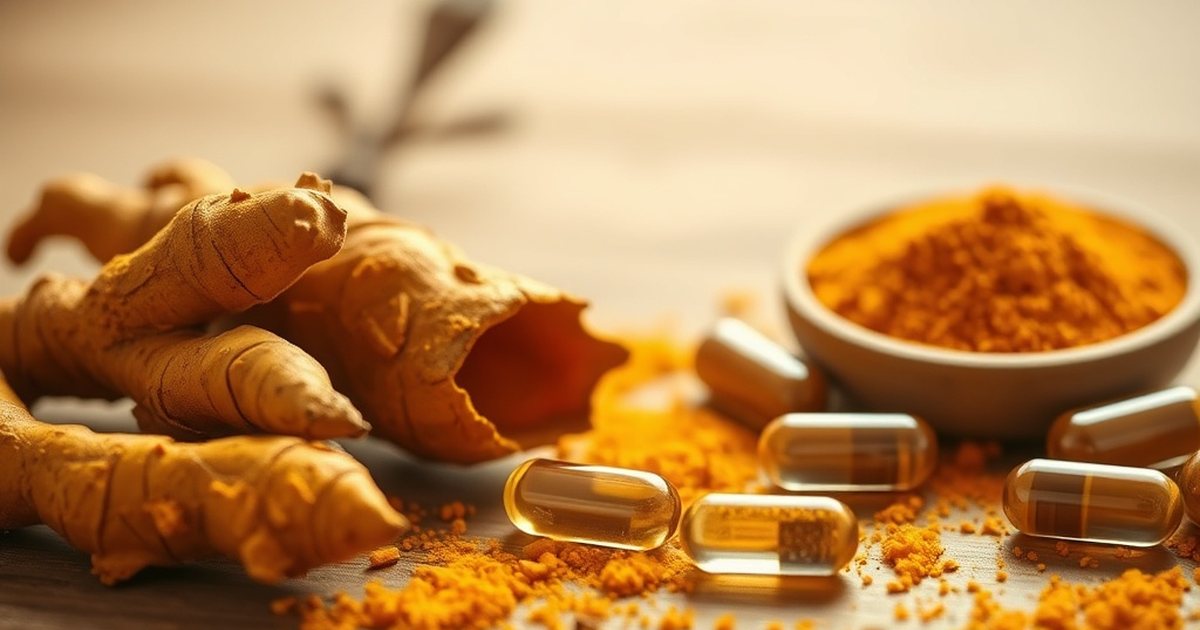

Bioavailability: A Crucial Factor for Curcumin
One of the long-standing challenges with curcumin is its relatively poor bioavailability, meaning how well the body can absorb and utilize it. Without proper absorption, even a high-quality vegan curcumin supplement may not offer its intended support. Therefore, when choosing a vegan curcumin supplement, pay close attention to formulations designed to enhance bioavailability.
Common strategies to improve curcumin’s absorption include combining it with piperine (an extract from black pepper), formulating it into liposomal forms, or using specialized micellar or phytosome technologies. While piperine is plant-derived and suitable for vegans, always verify the vegan status of other advanced delivery systems, as some might inadvertently use animal-derived components in their processing, though this is less common with modern plant-focused formulations. Research on plant-based bioactives often emphasizes their mechanisms within the body, highlighting the importance of effective delivery [1][5].
Quality and Purity Considerations
Regardless of dietary preference, the overall quality and purity of any supplement are paramount. Look for vegan curcumin supplements that have undergone third-party testing for purity, potency, and absence of contaminants like heavy metals or pesticides. This information is often available on the manufacturer’s website or through certifications on the product label.
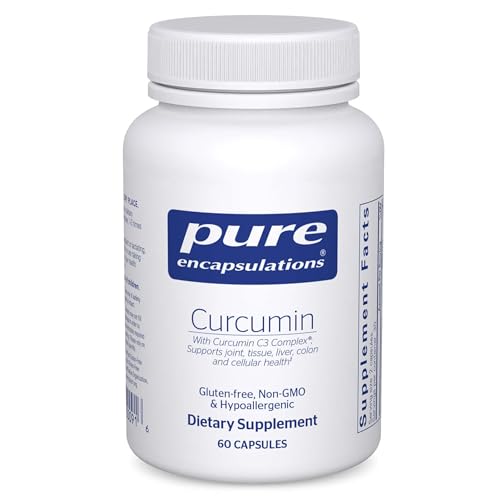
Transparency from the manufacturer regarding sourcing and manufacturing practices is a good indicator of a reliable product. For women in midlife, choosing high-quality supplements can contribute to a more informed approach to managing well-being. Plant-based supplements, including curcumin, are increasingly being recognized in clinical guidelines for their potential roles in supporting various aspects of health [4].
Dosage and Formulation Strength
The concentration of curcuminoids in a supplement is also important. Most high-quality curcumin supplements will specify the percentage of curcuminoids (typically 95%) in their extract. This indicates the potency of the active compounds. A vegan curcumin supplement should clearly state the amount of curcuminoids per serving.
Dosage recommendations can vary widely based on the specific formulation and desired support. It’s helpful to compare the amount of active curcuminoids per capsule across different vegan options, keeping in mind that enhanced bioavailability formulations might require a lower stated dosage to achieve similar effects. Always follow the manufacturer’s suggested serving size, or consult with a qualified health professional for personalized guidance.
References
- Plant-based bioactives and oxidative stress in reproduction: anti-inflammatory and metabolic protection mechanisms. Frontiers in nutrition, 2025
- Anti-Aging Effect of Traditional Plant-Based Food: An Overview. Foods (Basel, Switzerland), 2024
- The plant-based immunomodulator curcumin as a potential candidate for the development of an adjunctive therapy for cerebral malaria. Malaria journal, 2011
- Clinician guidelines for the treatment of psychiatric disorders with nutraceuticals and phytoceuticals: The World Federation of Societies of Biological Psychiatry (WFSBP) and Canadian Network for Mood and Anxiety Treatments (CANMAT) Taskforce. The world journal of biological psychiatry : the official journal of the World Federation of Societies of Biological Psychiatry, 2022
- Therapeutic Potential and Mechanistic Pathways of Plant-Based Supplements and Exercise Training in Blood Pressure Management: An Evidence-Based Review and Research Agenda. Nutrients, 2026
These statements have not been evaluated by the Food and Drug Administration. This information is not intended to diagnose, treat, cure, or prevent any disease. Content is for informational purposes only and is not medical advice; consult a qualified healthcare provider before starting any supplement. As an Amazon Associate we earn from qualifying purchases.
