Affiliate disclosure: As an Amazon Associate, this site earns from qualifying purchases linked in this article.
Many women notice shifts in memory, focus, and mood during the perimenopausal transition, prompting interest in dietary compounds that might support cognitive function. Curcumin, the primary polyphenol in turmeric, has been studied for its potential neuroprotective properties, but the human data specific to perimenopause remain sparse.
This article reviews the existing evidence — primarily short‑term supplementation trials, animal models, and broader phytochemical reviews — to give a balanced picture of what is known, what is speculative, and where more research is needed. It is not medical advice; always discuss any supplement with a qualified healthcare professional.
Human Evidence: Short‑Term Curcumin Supplementation and BDNF
A systematic review and dose‑response meta‑analysis of randomized controlled trials found that short‑term curcumin supplementation increased serum brain‑derived neurotrophic factor (BDNF) in adult men and women [1]. BDNF is a protein that supports neuronal survival and plasticity, and lower levels have been linked to cognitive decline.
The analysis included studies ranging from 4 to 12 weeks and doses from 80 mg to 2 g per day, showing a modest but statistically significant rise in BDNF compared with placebo. However, none of the trials enrolled women specifically in perimenopause, and cognitive outcomes were not consistently measured.

Preclinical Data: Curcumin and Brain Senescence Models
In vitro and in vivo experiments using a D‑galactose‑induced aging model reported that curcumin, alone or combined with hesperetin, reduced markers of brain senescence such as oxidative stress and inflammatory signaling [2]. The treated animals showed improved performance on memory tasks relative to untreated controls.
These findings suggest biological plausibility for curcumin’s neuroprotective effects, yet the model mimics accelerated aging rather than the hormonal fluctuations of perimenopause. Translation to humans, especially to the specific neuroendocrine environment of midlife women, remains uncertain.
Broader Phytochemical Reviews on Amyloid and Tau Pathways
A 2026 review of neuroprotective phytochemicals targeting amyloid‑β and tau pathologies discusses curcumin among other compounds for its ability to interfere with protein aggregation and modulate signaling pathways implicated in neurodegeneration [3]. The review highlights mechanistic data from cell and animal studies.

While the review underscores curcumin’s multi‑target potential, it also notes issues of bioavailability, dose translation, and a lack of long‑term clinical trials in populations at risk for cognitive decline, including perimenopausal women.
Gaps in Perimenopause‑Specific Research
No randomized controlled trial to date has examined curcumin’s effects on cognition, mood, or BDNF specifically in women undergoing the menopausal transition. Hormonal changes during perimenopause — particularly fluctuations in estradiol — interact with neurotrophic signaling and inflammatory pathways, which could modify any response to curcumin.
Additionally, the optimal formulation (e.g., piperine‑enhanced, liposomal, nanoparticle), dose, and duration for cognitive endpoints remain undefined. Without perimenopause‑focused trials, any extrapolation from general adult or animal data is speculative.

Practical Considerations for Women Considering Curcumin
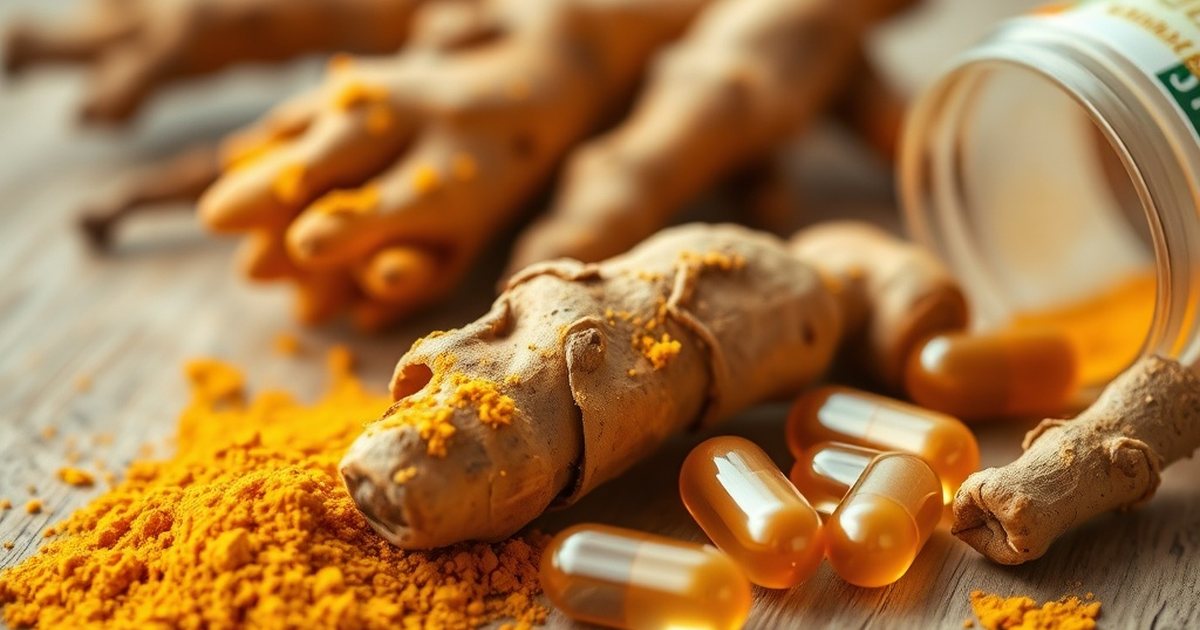
If a woman chooses to try a curcumin supplement, selecting a product with demonstrated bioavailability (such as those combined with piperine or using phospholipid complexes) may increase the likelihood of achieving measurable plasma levels. Typical studied doses range from 500 mg to 1 g of curcuminoids per day.
Safety data from short‑term trials indicate good tolerability, with mild gastrointestinal upset being the most common adverse event. However, curcumin can interact with anticoagulants, certain chemotherapy agents, and drugs metabolized by CYP enzymes, so a healthcare provider should review medications and health status before starting.
References
- Short-term curcumin supplementation enhances serum brain-derived neurotrophic factor in adult men and women: a systematic review and dose-response meta-analysis of randomized controlled trials. Nutrition research (New York, N.Y.), 2019
- Curcumin and hesperetin attenuate D-galactose-induced brain senescence in vitro and in vivo. Nutrition research and practice, 2020
- Neuroprotective Phytochemicals Targeting Amyloid and Tau Pathologies. Current topics in medicinal chemistry, 2026
These statements have not been evaluated by the Food and Drug Administration. This information is not intended to diagnose, treat, cure, or prevent any disease. Content is for informational purposes only and is not medical advice; consult a qualified healthcare provider before starting any supplement. As an Amazon Associate we earn from qualifying purchases.
