Affiliate disclosure: As an Amazon Associate, this site earns from qualifying purchases linked in this article.
For women navigating midlife and menopause, understanding how to best integrate supplements like curcumin into a wellness routine is often a consideration. Curcumin, a compound found in turmeric, is recognized for its potential support in various bodily functions. A common question arises regarding its optimal intake: should curcumin be taken with food or on an empty stomach?
The way our bodies absorb compounds can significantly influence their potential effects. This article will explore the current understanding of curcumin absorption, examining whether taking it with food might enhance its bioavailability compared to taking it on an empty stomach, based on available research.
Understanding Curcumin Bioavailability
Curcumin is known to have relatively low bioavailability, meaning that a significant portion of it may not be readily absorbed into the bloodstream and utilized by the body after oral intake. This characteristic has led researchers to investigate various strategies to enhance its absorption. Factors such as the formulation of curcumin and the presence of other compounds can play a role in how well it is absorbed.
When considering absorption, it’s important to differentiate between curcuminoids, the active compounds in turmeric, and other related substances. Research has explored the detection of plasma curcuminoids after dietary intake of turmeric-containing food in human volunteers, indicating that some level of absorption does occur from food sources [1].
Curcumin and the Food Matrix: What the Evidence Suggests
The concept of a ‘food matrix’ refers to the other components present in food that can influence how a nutrient or compound is absorbed. Some studies suggest that the presence of food, particularly those containing fats, may enhance curcumin’s absorption. This is because curcumin is fat-soluble, and fats can help facilitate its passage through the digestive system and into the bloodstream.

Research has specifically investigated the effects of a food matrix on the bioavailability of curcumin, particularly in different nanoformulations. One study explored how the food matrix, along with probiotics, might influence the bioavailability of curcumin [2]. While this research focused on specific formulations, it highlights the potential role of dietary components in enhancing absorption.
Curcumin and Digestion: Empty Stomach Considerations
Taking supplements on an empty stomach is often recommended for compounds that might interact with food components or require specific conditions for absorption. However, for curcumin, the evidence leans towards the benefit of co-ingestion with food. Without the presence of fats or other dietary components, curcumin’s already limited solubility in the aqueous environment of the digestive tract may further hinder its absorption.
While some compounds might be absorbed more efficiently on an empty stomach, the unique chemical properties of curcumin suggest that it may not fall into this category. The goal is to maximize the amount of curcumin that reaches the bloodstream, and for fat-soluble compounds, this often involves the presence of dietary fats to aid emulsification and absorption.

Formulation Matters: Beyond Food Intake
It’s also crucial to acknowledge that the formulation of curcumin itself plays a significant role in its bioavailability, often more so than whether it’s taken with or without food. Many curcumin supplements are designed with enhanced absorption in mind, using technologies like nanoparticles or liposomal delivery systems. For instance, nanosphere-loaded curcumin has been explored in research [3].
These advanced formulations aim to overcome the inherent challenges of curcumin absorption, making the ‘with food or empty stomach’ question potentially less critical for certain products. However, even with enhanced formulations, the general principle of taking fat-soluble compounds with some dietary fat may still offer an advantage for overall absorption.
Practical Recommendations for Midlife Women
For women considering curcumin during midlife and menopause, the current understanding suggests that taking curcumin with food, particularly meals containing some fat, may be a beneficial approach to support its absorption. This could involve incorporating it with breakfast, lunch, or dinner, rather than on a completely empty stomach.
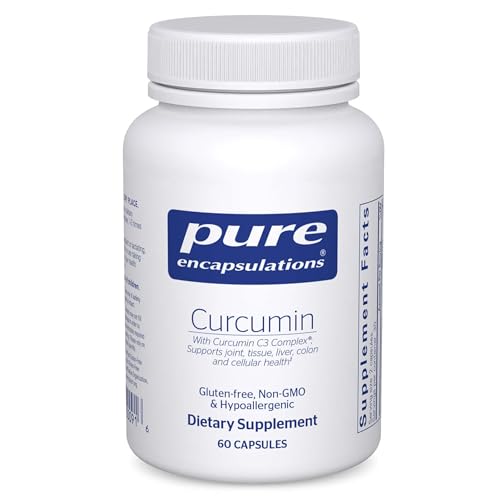
While specific studies directly comparing curcumin absorption with food versus on an empty stomach in human subjects are still developing, the principles of fat-solubility and the findings related to food matrices provide a reasonable basis for this recommendation [2]. Always refer to the specific instructions provided by the supplement manufacturer, as formulations can vary.
Looking Ahead: Ongoing Research
Research into curcumin and its various applications continues to evolve. For example, studies are exploring how curcumin and related compounds might influence glucose and fructose absorption in cells [4]. Other research investigates curcumin’s potential in areas like mitigating acetaminophen-induced liver damage [5] and its role in neurodegeneration [6]. These studies underscore the ongoing scientific interest in curcumin’s diverse physiological interactions.
As new insights emerge regarding curcumin’s mechanisms of action and absorption, recommendations may be further refined. For now, a practical, evidence-informed approach suggests pairing curcumin intake with meals for potentially enhanced absorption.
References
- Detection of Plasma Curcuminoids from Dietary Intake of Turmeric-Containing Food in Human Volunteers. Molecular nutrition & food research, 2018
- Effects of food matrix and probiotics on the bioavailability of curcumin in different nanoformulations. Journal of the science of food and agriculture, 2021
- Nanosphere loaded with curcumin attenuates adipogenesis and lipid metabolism by modulating AKT/mTORC1/PPARγ phosphorylation. Tissue & cell, 2025
- Curcumin and bisdemethoxycurcumin inhibit glucose and enhance fructose absorption in differentiated Caco-2 cells, while dibenzoylmethane inhibits glucose absorption. Food research international (Ottawa, Ont.), 2025
- The potential of curcumin in mitigating acetaminophen-induced liver damage. Naunyn-Schmiedeberg’s archives of pharmacology, 2025
- Targeting Autophagy, Ferroptosis, and Neuroinflammation: Polyphenol-Mediated Modulation of Emerging Signaling Pathways in Neurodegeneration. Molecular neurobiology, 2026
These statements have not been evaluated by the Food and Drug Administration. This information is not intended to diagnose, treat, cure, or prevent any disease. Content is for informational purposes only and is not medical advice; consult a qualified healthcare provider before starting any supplement. As an Amazon Associate we earn from qualifying purchases.
