Affiliate disclosure: As an Amazon Associate, this site earns from qualifying purchases linked in this article.
For women navigating midlife and menopause, understanding the factors that influence supplement quality is an important consideration. When it comes to curcumin, the primary active compound in turmeric, its source and origin can play a significant role in the characteristics of the final product.
Curcumin is a well-researched compound, and variations in the plant itself, alongside processing, can affect what you receive in a supplement. This article explores how the origin and specific species of the turmeric plant contribute to the quality and potential properties of curcumin extracts.
The Diversity of Curcuma Species and Their Compounds
The genus Curcuma encompasses a wide array of species, each with its unique chemical profile. While Curcuma longa is the most recognized source of curcumin, other species like Curcuma zedoaria (white turmeric) also contain various beneficial compounds [1]. These different species can be distinguished using specific genetic markers, such as intron length polymorphism markers in genes encoding diketide-CoA synthase and curcumin synthase [2]. This genetic diversity directly impacts the secondary metabolites produced by the plant.

The specific phytoconstituents present in different Curcuma species contribute to their potential properties [3]. For instance, a comprehensive review of Curcuma species found a wide range of chemical constituents and associated biological research [4]. The presence and concentration of these compounds can vary significantly depending on the species of turmeric used to produce the extract, which in turn influences the overall composition of a curcumin supplement.
Geographical Origin and Environmental Factors
Beyond the specific species, the geographical location where turmeric is grown can also influence its chemical makeup. Environmental factors such as soil composition, climate, and cultivation practices can impact the production of secondary metabolites within the plant. Research has shown that the secondary metabolite profiling of Curcuma species grown at different locations showed more difference between species than between locations, although curcuminoid concentrations did differ by plant origin as measured with UPLC/Q-TOF MS [5].
This means that turmeric grown in one region might have a slightly different profile of curcuminoids and other beneficial compounds compared to turmeric grown elsewhere. These variations, while sometimes subtle, can contribute to the overall quality and characteristics of the raw material used for curcumin extraction. Understanding these differences can be helpful when considering the sourcing of curcumin supplements.

Impact of Processing and Extraction Methods
Once harvested, the processing and extraction methods applied to the turmeric rhizomes are crucial in determining the quality and purity of the resulting curcumin extract. The goal of extraction is to isolate the desired compounds, primarily curcuminoids, while minimizing impurities. Different extraction techniques can yield extracts with varying concentrations of curcumin and other co-occurring compounds.
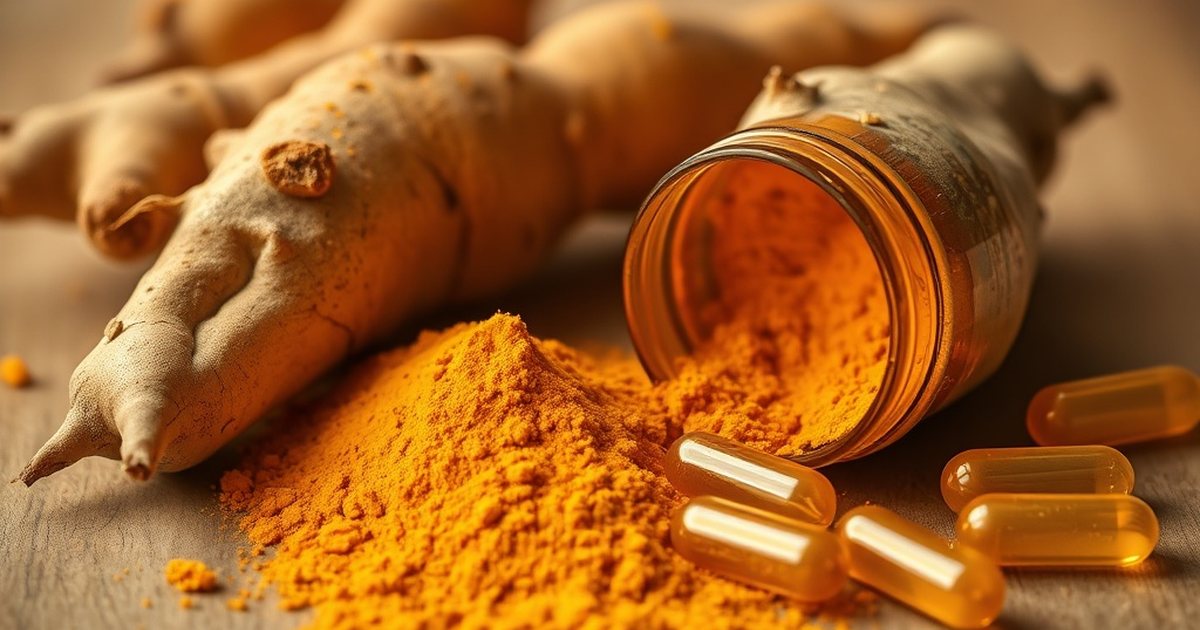
The form of curcumin in supplements can also be influenced by processing. For example, nanotechnology has been explored to enhance the properties of Curcuma longa extracts [6]. Such advancements aim to improve the characteristics of curcumin for various applications. The synergistic effects of such formulations, like nano-curcumin supplementation, are also being explored in conjunction with other lifestyle factors [7]. Therefore, the journey from raw plant to finished supplement involves critical steps that directly impact the final product’s composition.
Standardization and Quality Control
Given the variability in Curcuma species, geographical origins, and processing methods, standardization plays a vital role in ensuring consistent curcumin supplement quality. High-quality supplements often undergo rigorous testing to confirm the concentration of active curcuminoids and to screen for contaminants.

Consumers may look for supplements that specify the percentage of total curcuminoids, which indicates the concentration of the primary active compounds. This helps ensure that the product delivers a consistent amount of curcumin. The careful selection of raw materials and adherence to quality control during manufacturing are key to producing a reliable curcumin extract for women seeking support during midlife and menopause.
References
- Volatile profiling of forty-two white turmeric (Curcuma zedoaria Rosc.) accessions revealed its drug yielding potential with quality constituents. Natural product research, 2025
- Discrimination of Curcuma species from Asia using intron length polymorphism markers in genes encoding diketide-CoA synthase and curcumin synthase. Journal of natural medicines, 2022
- The Influence of Phytoconstituents for the Management of Antipsoriatic Activity in Various Animal Models. Anti-inflammatory & anti-allergy agents in medicinal chemistry, 2024
- Chemical constituents and biological research on plants in the genus Curcuma. Critical reviews in food science and nutrition, 2017
- Secondary metabolite profiling of Curcuma species grown at different locations using GC/TOF and UPLC/Q-TOF MS. Molecules (Basel, Switzerland), 2014
- Curcuma Longa: Nutraceutical Use and Association With Nanotechnology. Advanced healthcare materials, 2024
- Synergistic Effects of Exercise and Nano-Curcumin Supplementation in Women with Lifestyle-Related Diseases: A Scoping Review. Nutrients, 2025
These statements have not been evaluated by the Food and Drug Administration. This information is not intended to diagnose, treat, cure, or prevent any disease. Content is for informational purposes only and is not medical advice; consult a qualified healthcare provider before starting any supplement. As an Amazon Associate we earn from qualifying purchases.
