Affiliate disclosure: As an Amazon Associate, this site earns from qualifying purchases linked in this article.
As women navigate midlife and the changes associated with menopause, many explore various supplements to support their well-being. Curcumin, a compound derived from turmeric, has garnered attention for its potential benefits. However, with a growing market, understanding how to select a high-quality curcumin product is essential.
The purity and potency of curcumin supplements can vary significantly. This is where the importance of third-party testing and certifications becomes clear, offering a layer of assurance regarding what you are consuming.
What is Curcumin and Why Quality Matters
Curcumin is the primary active compound in turmeric, a spice widely used in traditional practices. It is often concentrated into supplements to provide higher doses than typically found in culinary turmeric. While research continues to explore curcumin’s various effects on the body, the integrity of the supplement itself is paramount to its potential efficacy and safety.
The supplement industry is vast, and not all products are created equal. The raw materials, extraction methods, and manufacturing processes can all influence the final product. For women considering curcumin during midlife, ensuring the product is free from undesirable contaminants and contains the stated amount of active compounds is a significant concern.
The Challenge of Adulteration in Curcumin Products
One of the most significant challenges in the natural product market, including curcumin, is the risk of adulteration. Adulteration can involve adding synthetic substances or cheaper fillers to a product without proper labeling. For example, some turmeric extracts have been found to be adulterated with synthetic curcumin [1].

The problem of adulteration in turmeric is a global concern, with data indicating its presence across six continents [2]. Analytical investigations, including techniques like Nuclear Magnetic Resonance (NMR), are increasingly being used to recognize such nefarious adulteration in natural products [3]. This highlights the need for rigorous testing to verify the authenticity and purity of curcumin supplements.
What is Third-Party Testing?
Third-party testing refers to the process where an independent, accredited laboratory evaluates a supplement product. This lab is not affiliated with the manufacturer, which helps ensure unbiased results. These tests typically assess several critical aspects of a supplement, providing consumers with valuable information.
Key areas of third-party testing often include verifying the identity and concentration of active ingredients, such as curcuminoids, to ensure the product meets its label claims. It also involves screening for potential contaminants, including heavy metals, pesticides, and microbial impurities, which can be present in raw materials or introduced during processing.
The Benefits of Independent Verification for Curcumin Purity and Potency
For women considering curcumin during midlife, choosing a product that has undergone third-party testing offers several important benefits. Firstly, it provides assurance about the product’s purity. Knowing that a supplement has been tested for contaminants helps to mitigate potential health risks associated with unwanted substances. For instance, combination herbal components, including curcumin, are used in various applications, and ensuring their quality is important [4].
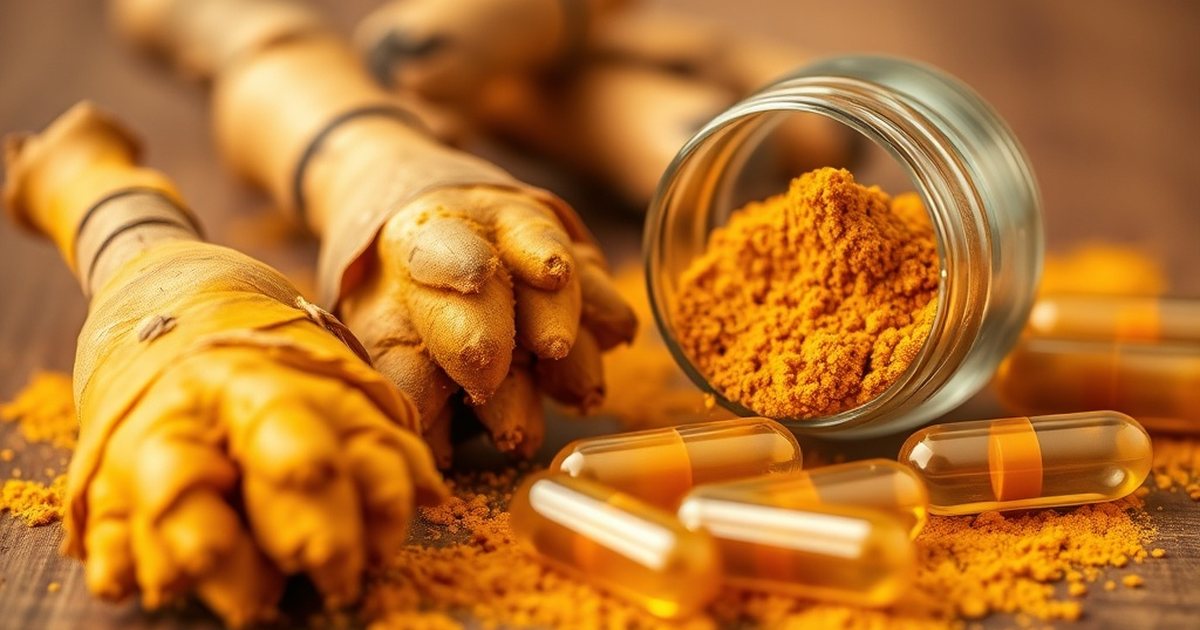

Secondly, independent verification confirms the potency of the supplement. This means that the product contains the amount of curcuminoids it claims on the label, which is essential for consistent intake. Without this verification, the actual amount of active compounds could be lower than expected, potentially affecting the desired outcomes.
Finally, third-party testing fosters transparency and builds trust between consumers and supplement brands. When a company voluntarily submits its products for independent evaluation and makes those results accessible, it demonstrates a commitment to quality and consumer safety. This is particularly relevant for women seeking reliable support for aspects of health like inflammation or lipid peroxidation, where studies have explored curcumin’s role [5].
Understanding Certifications and Seals of Approval
In addition to individual third-party test reports, some curcumin products carry certifications or seals of approval from reputable organizations. These certifications often indicate that a product has met specific quality, purity, or manufacturing standards established by the certifying body. While the specific criteria vary, these seals typically signify a commitment to good manufacturing practices (GMP) and regular product testing.

When evaluating a curcumin supplement, look for certifications from well-known organizations that specialize in supplement testing and quality assurance. These certifications can provide an additional layer of confidence, indicating that the product has been rigorously evaluated beyond just a single batch test. Always research what a specific certification entails to understand its full meaning.
How to Identify Quality Curcumin Products
When selecting a curcumin supplement, empower yourself with information. Look for brands that are transparent about their sourcing and manufacturing processes. A strong indicator of quality is a brand that openly shares its third-party test results, often accessible through a QR code on the packaging or directly on their website. These reports, sometimes called Certificates of Analysis (CoAs), should detail the levels of curcuminoids and confirm the absence of common contaminants.
Do not hesitate to contact a company’s customer service if you cannot find this information. A reputable brand should be able to provide documentation supporting its product claims. Prioritizing products with clear evidence of third-party testing and relevant certifications is a sensible step for any woman considering curcumin as part of her midlife wellness journey.
References
- Assessment of Curcuma longa extract for adulteration with synthetic curcumin by analytical investigations. Journal of pharmaceutical and biomedical analysis, 2020
- A scoping review of turmeric adulteration based on data from six continents. Pharmaceutical biology, 2026
- The Untargeted Capability of NMR Helps Recognizing Nefarious Adulteration in Natural Products. Journal of natural products, 2021
- Combination of herbal components (curcumin, carvacrol, thymol, cinnamaldehyde) in broiler chicken feed: Impacts on response parameters, performance, fatty acid profiles, meat quality and control of coccidia and bacteria. Microbial pathogenesis, 2020
- Curcumin Supplementation (Meriva(®)) Modulates Inflammation, Lipid Peroxidation and Gut Microbiota Composition in Chronic Kidney Disease. Nutrients, 2022
These statements have not been evaluated by the Food and Drug Administration. This information is not intended to diagnose, treat, cure, or prevent any disease. Content is for informational purposes only and is not medical advice; consult a qualified healthcare provider before starting any supplement. As an Amazon Associate we earn from qualifying purchases.
