Affiliate disclosure: As an Amazon Associate, this site earns from qualifying purchases linked in this article.
As women navigate midlife and menopause, many explore natural compounds like curcumin, derived from turmeric, for various aspects of well-being. When considering any supplement, understanding its purity and potential for contaminants is a crucial step in making informed choices.
This article focuses on the importance of curcumin purity, particularly concerning heavy metals, and offers insights into why this aspect matters for your health and how to approach supplement selection with care.
Why Curcumin Purity Matters for Midlife Health
The quality of any supplement, including curcumin, can significantly impact its potential benefits and safety. For women in midlife, who may already be experiencing shifts in their bodies, ensuring that supplements are as pure as possible is a sensible consideration.
While curcumin itself is recognized for various properties, the presence of unwanted substances in a supplement can detract from its intended purpose. Contaminants can originate from the environment where the raw material is grown, during processing, or from the manufacturing practices of the supplement producer. Therefore, understanding the potential for impurities is a vital part of responsible supplement use.
Understanding Heavy Metals as Potential Contaminants
Heavy metals are naturally occurring elements that can become environmental pollutants. When present in high concentrations, they can pose health concerns. Some common heavy metals that might be found as contaminants include lead, mercury, arsenic, and cadmium.

These metallic pollutants have been studied for their potential effects on various bodily systems. For example, some metallic pollutants like aluminum, lead, mercury, and arsenic have been investigated for their role in neurodegeneration and brain impairment events [1]. While curcumin itself has been explored for its potential protective effect against heavy metals-induced liver damage in some studies [2], the goal is to avoid introducing these contaminants in the first place through supplement consumption.
Curcumin has even been identified as a ligand for detecting environmental pollutants, highlighting its interaction with such substances [3]. This underscores the importance of sourcing and manufacturing processes that minimize the presence of these unwanted elements in curcumin supplements.
Sources of Contamination in Curcumin and Turmeric
The journey of curcumin from plant to supplement can involve several points where contamination might occur. Turmeric, the root from which curcumin is extracted, grows in soil, which can naturally contain heavy metals. If the soil is contaminated, these metals can be absorbed by the plant. Agricultural practices, including the use of certain pesticides or fertilizers, can also introduce unwanted substances.
Processing methods for extracting and formulating curcumin can also play a role. Equipment used in manufacturing, or the use of impure solvents, could potentially introduce contaminants. Furthermore, the storage and handling of raw materials and finished products need to adhere to high standards to maintain purity.
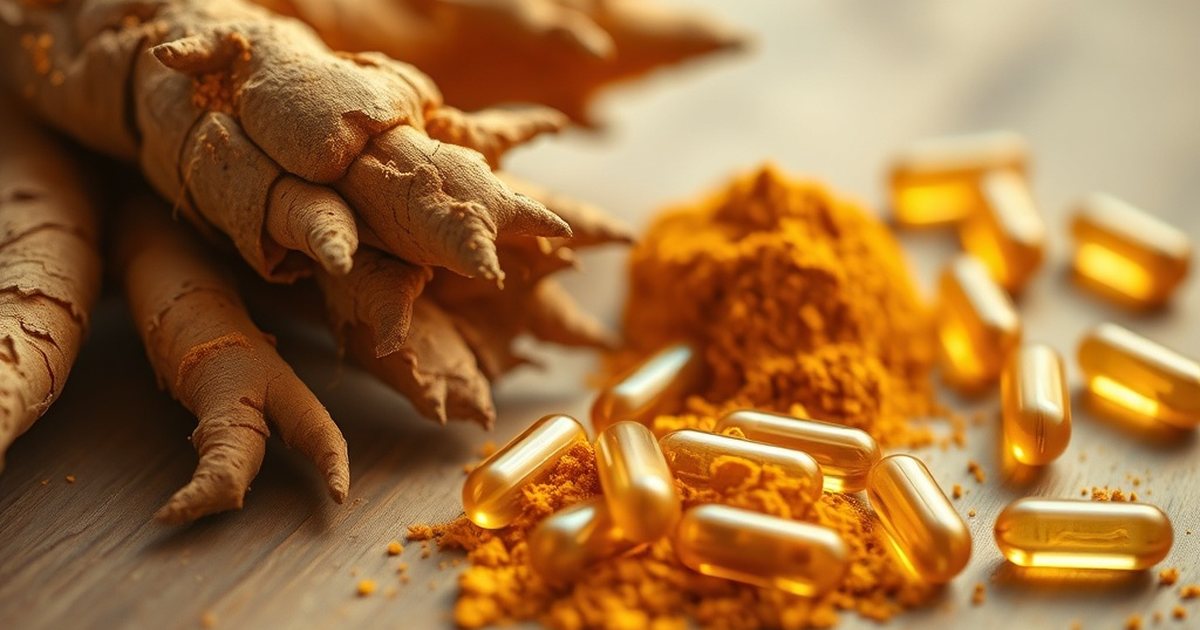

Beyond heavy metals, other potential contaminants in botanical supplements can include mycotoxins (toxic compounds produced by certain molds), pesticides, and microbiological impurities. For instance, the beneficial role of bioactive compounds in addressing toxic effects from mycotoxins like AFB1 and OTA has been reviewed [4], emphasizing the broader context of purity.
How to Approach Curcumin Supplement Selection
When considering a curcumin supplement, particularly during midlife and menopause, choosing a product from a reputable manufacturer is a sensible approach. Look for companies that demonstrate transparency about their sourcing, testing, and manufacturing processes.
Many reputable brands will conduct third-party testing for purity and potency. This independent verification can help confirm that the supplement contains the stated amount of curcuminoids and is free from concerning levels of heavy metals, pesticides, and other contaminants. Some manufacturers may provide Certificates of Analysis (CoAs) upon request, which detail the results of these tests.

While curcumin has been studied for various applications, including its potential effects on glycemic indices, lipid profiles, and inflammatory markers [5], the integrity of the supplement itself is foundational to its potential utility. Prioritizing purity can contribute to a more positive experience with curcumin supplementation.
The Role of Regulations and Quality Control
The supplement industry is subject to various regulations aimed at ensuring product quality and safety. However, these regulations can vary significantly by region. Reputable manufacturers often go beyond minimum regulatory requirements by implementing rigorous internal quality control measures.
These measures can include testing raw materials upon arrival, in-process testing during manufacturing, and final product testing. Such comprehensive testing protocols are designed to identify and mitigate potential contamination at every stage, helping to ensure that the final product meets high purity standards. While some research explores the biocompatibility of curcumin-photosensitized nanocapsules for specific applications [6] or curcumin-based polymer coatings against bacteria and inflammation [7], these highlight specific research areas, not general supplement quality which relies on robust testing.
References
- Role of metallic pollutants in neurodegeneration: effects of aluminum, lead, mercury, and arsenic in mediating brain impairment events and autism spectrum disorder. Environmental science and pollution research international, 2021
- Protective effect of curcumin against heavy metals-induced liver damage. Food and chemical toxicology : an international journal published for the British Industrial Biological Research Association, 2014
- Curcumin Is an Iconic Ligand for Detecting Environmental Pollutants. Bioinorganic chemistry and applications, 2022
- In vitro and in vivo assessment of AFB1 and OTA toxic effects and the beneficial role of bioactive compounds. A systematic review. Food chemistry, 2024
- Curcumin effects on glycaemic indices, lipid profile, blood pressure, inflammatory markers and anthropometric measurements of non-alcoholic fatty liver disease patients: A systematic review and meta-analysis of randomized clinical trials. Complementary therapies in medicine, 2024
- Curcumin-photosensitized nanocapsules: biocompatibility and antimicrobial evaluation in primary tooth dentin contaminated with Streptococcus mutans. Frontiers in cellular and infection microbiology, 2025
- Multifunctional curcumin-based polymer coating: A promising platform against bacteria, inflammation and coagulation. Colloids and surfaces. B, Biointerfaces, 2024
These statements have not been evaluated by the Food and Drug Administration. This information is not intended to diagnose, treat, cure, or prevent any disease. Content is for informational purposes only and is not medical advice; consult a qualified healthcare provider before starting any supplement. As an Amazon Associate we earn from qualifying purchases.
